
In This Article
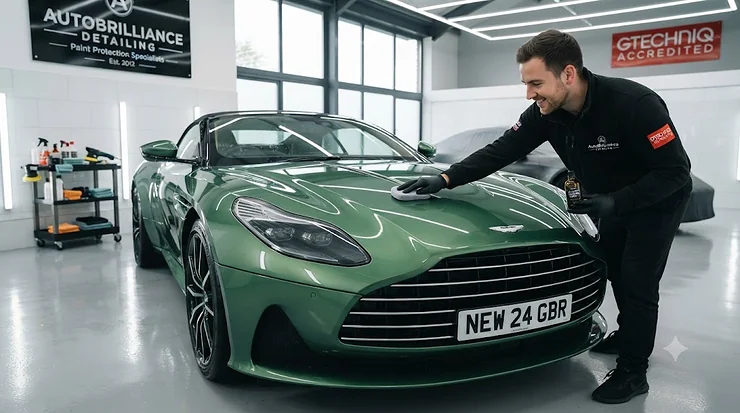
A paint protection product for new cars is any wax, sealant, ceramic coating or film that shields factory paint from UV light, bird droppings, road grime and wash-induced swirls. It works best when it goes on within the first few weeks of ownership. The right choice depends on how long you’ll keep the car, where you can work on it and how much prep you’ll tolerate.
That’s the textbook answer. The real one is messier. You’ve just signed for a shiny new motor, and a finance manager is sliding a glossy brochure across the desk. According to Wikipedia’s overview of automotive paint, a modern paint system totals roughly 100 μm (0.1 mm) across primer, basecoat and clearcoat. That’s about one sheet of printer paper. Everything you’re paying to protect is thinner than the paper your bank statement arrives on.
New car paint protection has a second complication. A “brand-new” car has usually been transported, stored outdoors and washed by hurried staff before you collect it. Independent detailers regularly report light swirls and contamination on cars straight off the forecourt.
This guide covers the following:
- Seven real products, from budget sprays to multi-year coatings.
- Sealants vs coatings, in plain English.
- The first wash after delivery.
- Whether dealership paint protection packages deserve your money.
Everything here rests on manufacturer specifications, independent test reports and aggregated review sentiment. I haven’t tested these products myself, and I’ll flag where evidence is thin. Prices are indicative ranges only, so check current prices before buying.
The Quick Comparison: Seven Picks at a Glance
| Product | Type | Claimed durability | Price range | Best For |
|---|---|---|---|---|
| Gtechniq Crystal Serum Light | Ceramic coating | 3-5 years (manufacturer claim) | £50-£60 | Committed DIYers keeping the car 3+ years |
| CarPro CQUARTZ UK 3.0 | Ceramic coating | 3-5 years (varies by source) | £60-£100 | First-time coating users wanting forgiveness |
| Gyeon Q2 Mohs EVO | Ceramic coating | Around 3 years (claimed) | £60-£100 | Enthusiasts chasing finish quality |
| Chemical Guys JetSeal | Polymer sealant | Several months | £20-£30 | Seasonal detailers without garage space |
| Meguiar’s Hybrid Ceramic Liquid Wax | Hybrid wax/sealant | Weeks to a few months | £25-£35 | Beginners wanting an easy step up from wax |
| Autoglym Ultra High Definition Wax | Paste wax | Weeks to a few months | £25-£35 | Owners who enjoy the waxing ritual |
| Turtle Wax Hybrid Solutions Ceramic Spray | Ceramic spray | Weeks to a few months | Under £20 | Budget top-ups between proper protection |
Looking at the comparison above, Gtechniq Crystal Serum Light offers the longest claimed protection for the least money per year. The catch is that it needs indoor application space. If you’re working on a driveway, Chemical Guys JetSeal or Turtle Wax Hybrid Solutions Ceramic Spray are easier to live with. Durability figures are manufacturer or roundup claims, so treat them as ceilings rather than guarantees.
💬 Just one click — help others make better buying decisions too!😊
Top 7 Paint Protection Product for New Cars: Expert Analysis
1. Gtechniq Crystal Serum Light — the DIY coating benchmark
This is the enthusiast-friendly sibling of Gtechniq’s detailer-only Crystal Serum. It’s a chemically bonding ceramic layer for people who want multi-year protection without booking a studio.
UK retailers describe it as delivering roughly 80% of the professional version’s performance, with 3-5 years of claimed durability. The practical difference matters. If you botch a professional coating, it can need sanding to remove. Gtechniq Crystal Serum Light can be machine-polished off instead. That’s a genuine safety net for first-timers.
Retailer guidance says to apply it indoors and keep the car indoors for at least 12 hours afterwards. Gtechniq also suggests an EXO or C2 topper for maximum water-beading.
Based on the spec comparison, this suits owners keeping the car three years or more, such as PCP drivers or cash buyers. It also suits anyone with a garage. Review roundups describe straightforward application, a slick feel and strong gloss. The recurring caveat is the need for proper prep and a dry indoor space.
Pros:
- ✅ Machine-polishable if applied badly
- ✅ Strong swirl and chemical resistance
- ✅ Excellent cost per year of protection
Cons:
- ❌ Needs indoor application and curing
- ❌ Demands thorough paint prep first
Price: in the £50-£60 range for 30ml at the time of research. Given the claimed lifespan, it’s the strongest value here if you can meet its conditions.
2. CarPro CQUARTZ UK 3.0 — forgiving pro-grade quartz coating
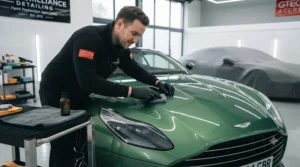
If Gtechniq Crystal Serum Light is the safety-net coating, this is the one detailer-led roundups keep recommending for its manageable working time.
The 50ml kit is marketed at about 70% SiO2 content. On paper that points to a dense, glass-like layer rather than a thin sealant film. It’s pitched as bonding to paint, glass, metal and plastic. Roundups quote three to five years of durability, so treat the figure as a range, not a promise.
Its real selling point is a forgiving flash time. You get a little longer to level the product before it grabs, which matters when you’re working panel by panel for the first time.
Here’s what to weigh. CarPro CQUARTZ UK 3.0 is the smarter first coating for someone who has used sealants but never a true coating. It’s also less fiddly than Gyeon Q2 Mohs EVO. Like any coating, expect around 24 hours of cure time and a proper decontamination step first.
Reviewers consistently describe a glassy finish and easier washing afterwards. Several roundups stress that meticulous prep separates good results from disappointing ones.
Pros:
- ✅ Forgiving working time for beginners
- ✅ High claimed SiO2 content
- ✅ Multi-surface use on paint and glass
Cons:
- ❌ Durability claims vary between sources
- ❌ Small 50ml kit suits one car only
Price: indicatively £60-£100 for the 50ml kit, so check current price. That’s fair value for a genuinely multi-year product.
3. Gyeon Q2 Mohs EVO — arguably the best-looking result
This is the coating for people who care about finish quality and enjoy the process.
It’s positioned as a roughly three-year coating, named after the Mohs hardness scale. The name is a hint about scratch-resistance ambitions rather than a promise. Independent roundups place it in the enthusiast tier for its high-gloss, super-slick result. One UK-focused test site calls it arguably the best-looking finish in its group, while noting a slightly more demanding application.
That’s the trade-off. A nicer result usually means less tolerance for sloppy technique. If your prep isn’t spotless, a coating can lock in whatever is underneath.
My read of the reviews is that Gyeon Q2 Mohs EVO suits owners who’ll enjoy a Saturday spent on prep. It also suits anyone planning to keep the car well beyond the warranty period. For first-timers, CarPro CQUARTZ UK 3.0 is the gentler starting point.
Reviewers consistently rate the gloss and the slickness, and the main complaint is application effort.
Pros:
- ✅ Standout gloss and slickness
- ✅ Around three years of claimed protection
- ✅ Well regarded by enthusiasts
Cons:
- ❌ Less forgiving application than rivals
- ❌ Needs thorough prep and cure time
Price: indicatively £60-£100, so check current price. It’s worth it if you’re chasing finish quality, and overkill if you only want basic shielding.
4. Chemical Guys JetSeal — durable bonded sealant for seasonal detailers
Sealants sit in the sweet spot for many new car owners, and this one earns a mention for durability without coating-level fuss.
Review roundups single it out for seasonal detailers. That means people who protect the car in spring and autumn rather than every fortnight. It’s described as a bonded synthetic-polymer sealant giving months of protection, not years. Synthetic sealants typically form a harder, more detergent-resistant layer than carnauba wax, at the cost of a colder, more glassy look.
What matters in practice is that a sealant doesn’t demand the garage-and-cure ritual of a coating. Chemical Guys JetSeal can be applied and refreshed on a driveway in reasonable weather. That makes it well suited to leased or PCP cars you’ll hand back, where multi-year protection is wasted money.
Review sentiment is broadly positive on durability. Some users prefer the warmer look of a wax, which is a matter of taste rather than a defect.
Pros:
- ✅ Months of durable, bonded protection
- ✅ No garage or long cure needed
- ✅ Sensible price for a genuine sealant
Cons:
- ❌ Colder, glassier look than wax
- ❌ Needs reapplying every few months
Price: typically in the £20-£30 range, so check current price. It’s excellent value if you don’t mind two or three applications a year.
5. Meguiar’s Hybrid Ceramic Liquid Wax — the easy step up from wax
This is the product for people who want ceramic-branded convenience without committing to a coating.
An independent test on Fast Car’s UK wax comparison gave it an “Approved” rating, with an RRP around £31 at publication. It also has a sobering footnote. After six weeks, nearly all the liquid waxes in that test had faded to almost nothing. Meguiar’s Hybrid Ceramic Liquid Wax was the only one still doing anything noticeable, and even then only barely.
So what does that mean for you? It’s a sensible entry-level topper and quick booster, but not a multi-month shield on its own. Wipe-on, wipe-off application keeps it beginner-friendly.
For a new car, I’d treat it as a maintenance layer. Use it over a sealant, or as the first product you learn on while deciding whether to commit to something longer-lasting. Review sentiment centres on easy application and good water behaviour early on, with durability as the limiting factor.
Pros:
- ✅ Very easy wipe-on, wipe-off application
- ✅ Approved in an independent UK test
- ✅ Beat other liquid waxes on longevity
Cons:
- ❌ Short real-world lifespan
- ❌ Not a substitute for a true sealant
Price: roughly £25-£35, so check current price. It’s fair value as a stepping stone, weaker as a long-term plan.
6. Autoglym Ultra High Definition Wax — the shine-first ritual
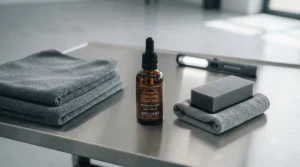
Autoglym is a British brand with a loyal following, and this paste wax is its premium show-finish option.
Roundups tag it as best for shine. The same Fast Car test that praised its early performance also called its durability disappointing for the price. The picture then improved, with the wax climbing to third among pastes by six weeks. The honest summary is mixed. You’re buying depth of finish, not the longest protection.
For new cars, a wax like Autoglym Ultra High Definition Wax makes most sense in two situations. One is when you enjoy waxing and don’t mind reapplying every couple of months. The other is when you want a warm layer on top of a sealant. It won’t protect like Gtechniq Crystal Serum Light, and it isn’t trying to.
Owner sentiment in enthusiast forums tends to praise slickness and shine, while acknowledging the price premium.
Pros:
- ✅ Rich, deep shine on dark colours
- ✅ British brand with a strong following
- ✅ Enjoyable to apply by hand
Cons:
- ❌ Durability test results were mixed
- ❌ Premium price for a wax
Price: roughly £25-£35, so check current price. It’s good value for the ritual, but poor value if protection is your priority.
7. Turtle Wax Hybrid Solutions Ceramic Spray — budget top-up champion
This is the “please don’t overthink it” option. It’s a quick, cheap ceramic-style spray.
One review roundup named it a budget pick because a single bottle covered three cars with room to spare. UK enthusiast forums also mention the Turtle Wax ceramic spray as well reviewed. Spray-and-wipe application takes minutes.
Here’s the analysis. Turtle Wax Hybrid Solutions Ceramic Spray isn’t a foundation layer. The most useful role for it is as a booster after washes, sitting on top of a sealant or cured coating. That’s how it revives beading and slickness in between proper applications.
If your budget is tight, use it after every wash and don’t beat yourself up. It’s still better than leaving new paint naked. Just don’t expect months of durability from a spray that costs less than a pizza delivery.
Review sentiment centres on value and ease, with durability the compromise.
Pros:
- ✅ Very cheap for the coverage
- ✅ Applied in minutes
- ✅ Great as a wash-day booster
Cons:
- ❌ Short-lived protection
- ❌ Not a primary protection layer
Price: typically under £20, so check current price. Excellent value as a maintenance product.
Sealants vs Coatings: Which Suits a Brand-New Finish?
Sealants vs coatings is the debate at the heart of new car paint protection. A sealant is a synthetic polymer that sits on the clearcoat and lasts months. A ceramic coating is a semi-permanent layer that chemically bonds and can last years, but demands proper prep.
Wax is the traditional third option. It’s cheap and pretty but short-lived. In Fast Car’s UK wax test, nearly all liquid waxes had faded to almost nothing after six weeks. That’s a useful reality check on how quickly the “easy” option disappears.
| Option | Typical lifespan | Prep needed | Best For |
|---|---|---|---|
| Wax | Around 4-8 weeks | Light | Autoglym Ultra High Definition Wax owners who enjoy regular waxing |
| Sealant | Up to about 6 months | Moderate | Chemical Guys JetSeal users wanting low-fuss durability |
| Ceramic coating | Claimed 2-5 years | Extensive | Gtechniq Crystal Serum Light owners keeping the car long-term |
This table shows a clear trade: durability rises with effort. If you’ll keep the car for years and can work indoors, a coating like Gtechniq Crystal Serum Light is the rational choice. For a car you’ll return after three years, a sealant such as Chemical Guys JetSeal delivers most of the practical benefit for far less faff.
First Wash After Delivery: A Step-by-Step Guide
First wash after delivery is the moment most new car owners accidentally inflict their first swirl marks. Sources disagree on the timing. One consumer guide says you can wash immediately because factory paint cures before delivery. Detailers focus on a different worry, which is how the dealer washes the car. Their usual advice is to ask the dealership not to wash or polish the car, and ideally to leave any transport film in place. Some dealers will push back, citing pre-delivery inspection routines. The fallback is to remove stickers and use a jet wash only, with no physical contact.
Here’s a sensible sequence:
- Inspect in daylight. Look for transport marks, sticker residue and dealer-applied products.
- Wheels first. Use a pH-neutral cleaner so you don’t flick brake dust onto clean paint.
- Snow foam pre-wash. Let it dwell around five minutes, then rinse to lift loose grit.
- Two-bucket wash. Use a high-lubricity pH-neutral shampoo and a clean microfibre mitt. Work top down, in straight lines.
- Decontaminate. If paint feels rough, use iron remover and clay.
- Dry gently. Use a soft drying towel or an air blower.
- Protect immediately. Apply a sealant, or the coating you’ve prepared for. A quick booster like Turtle Wax Hybrid Solutions Ceramic Spray covers you in the meantime.
Two cure-time notes. Coating guides commonly say to keep fresh coatings dry for 24 hours and avoid washing for about a week. Retailer guidance for Gtechniq Crystal Serum Light specifies at least 12 hours indoors. Also check your manufacturer’s handbook for any waiting period on freshly refinished panels.
Dealership Paint Protection Packages: Worth the Money?
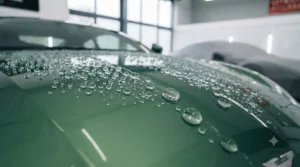
Dealership paint protection packages usually arrive at the moment you’re most tired and least inclined to compare chemistry. UK detailing sites report typical dealer prices of £300-£700. Independent detailers quote roughly £400-£600 for a multi-year coating including paint correction, though prices vary by region and vehicle size. Detailers naturally have a commercial interest in this comparison, so treat claims like “3-6 months of real protection” with caution. Even so, the consistent point is that the product is often generic and the application rushed.
The bigger issue is prep. A coating or sealant locks in whatever is underneath. If the dealer’s wash left fine swirls, they get sealed in.
On legal footing, Auto Express’s consumer-rights guide notes that the Consumer Protection from Unfair Trading Regulations 2008 bar traders from aggressive behaviour to sell extras. That guide was written with used cars in mind, but it’s a useful reminder that you’re allowed to say no.
| Route | Typical cost | Prep quality | Best For |
|---|---|---|---|
| Dealer package | £300-£700 | Often minimal | Buyers who can negotiate it in free |
| DIY sealant or coating | £20-£100 in products, plus your time | You control it | CarPro CQUARTZ UK 3.0 or Chemical Guys JetSeal users |
| Independent detailer coating | £400-£600 (indicative) | Usually includes correction | Owners wanting professional multi-year protection |
The pattern is clear. Dealership paint protection packages make sense mainly when free or heavily discounted. If you’re paying, a DIY route with CarPro CQUARTZ UK 3.0 costs a fraction of the package. An independent detailer typically costs about the same as the dealer and does better prep. Whichever route you choose, ask for the product name in writing.
How to Choose a Paint Protection Product for New Cars
To choose a paint protection product for new cars, match the product’s durability to how long you’ll keep the vehicle, where you can work and how much prep time you’ll invest. Here’s the process:
- Decide your ownership horizon. A three-year lease rarely justifies a five-year coating. A keeper car often does.
- Be honest about your workspace. Coatings like Gtechniq Crystal Serum Light want an indoor space and cure time. Sealants and sprays don’t.
- Budget your prep time. Decontamination and light polishing take hours, not minutes.
- Match chemistry to skill. Beginners should start with Meguiar’s Hybrid Ceramic Liquid Wax or a sealant. Experienced DIYers can step up to CarPro CQUARTZ UK 3.0.
- Read durability claims as ceilings. Manufacturers quote best-case figures under ideal maintenance.
- Plan the maintenance layer. Even the best coating benefits from regular washing and an occasional booster.
Sealant for New Car Paintwork: When It Beats a Coating
A sealant for new car paintwork wins in specific situations. The first is a car you’ll hand back, where years of protection would be wasted money. The second is a car parked outdoors, where you can’t meet a coating’s indoor cure requirement. The third is any project where you’d rather reapply twice a year than commit to one big weekend of prep.
Sealants are also more forgiving of imperfect prep than coatings. If the paint isn’t perfect, a sealant hides less than you’d hope, but it doesn’t trap defects as permanently as a coating does. Chemical Guys JetSeal fits this profile well.
Timing matters too. Apply the sealant after your first wash and decontamination, then plan refreshes every few months. A booster like Turtle Wax Hybrid Solutions Ceramic Spray after routine washes helps in the gaps.
Finally, be realistic about look and feel. Sealants tend to give a colder, glassier finish than wax. If you crave warmth, layering Autoglym Ultra High Definition Wax over a sealant is a common enthusiast approach.
Protecting New Car Finish: Your First 30 Days
Protecting new car finish is really about habits, not just products. This plan turns the first month into a routine:
Day 0-1: prepare and protect. Wash, decontaminate and apply your sealant or coating. Keep the car sheltered while it cures.
Week 1: deal with hazards fast. Bird droppings and insect remains are acidic. Remove them promptly with a quick detailer and a clean microfibre, not by dry-wiping.
Weeks 2-4: build the routine. Wash every one to two weeks using the two-bucket method. Avoid automatic brush washes, which introduce swirl marks. A refresh with Meguiar’s Hybrid Ceramic Liquid Wax or Turtle Wax Hybrid Solutions Ceramic Spray keeps water behaviour lively.
Common first-month mistakes. Parking under sappy trees, using dish soap, and dry-buffing dust. Each undoes the effort you’ve made.
✨ Don’t Miss These Exclusive Deals!
🔍 Take your new car paint protection to the next level with these carefully selected products. Click on any highlighted item to check current pricing and availability. These products will help you create a durable, glossy finish you’ll be proud of!
Real-World Scenarios: Matching Products to Owners
Scenario A: the PCP driver. You’re keeping the car three years and covering 8,000 miles annually, with a budget of about £60. Your car lives on a driveway. Based on the spec comparison, Chemical Guys JetSeal twice a year plus Turtle Wax Hybrid Solutions Ceramic Spray after washes covers you cheaply. A coating would be defensible only if you have garage access.
Scenario B: the family SUV. Three kids, one driveway, no free weekends. Time is your scarcest resource. Meguiar’s Hybrid Ceramic Liquid Wax or a sealant can be applied in under an hour. Accept shorter durability in exchange for fitting the routine into real life.
Scenario C: the keeper with a garage. You plan to run the car for eight years, and the garage is heated and dry. CarPro CQUARTZ UK 3.0 or Gyeon Q2 Mohs EVO is the logical pick. The prep weekend pays back over years. If you want a warmer look, a wax topper such as Autoglym Ultra High Definition Wax on a fully cured coating is a common enthusiast finish.
In each case, the deciding variables are budget, environment and frequency of use. That’s more predictive than any brand logo.
Long-Term Cost and Maintenance
Cost per year tells a clearer story than shelf price. A £55-ish coating like Gtechniq Crystal Serum Light, lasting even three years, works out at about £18 annually in product cost. A sealant such as Chemical Guys JetSeal, applied twice a year, costs roughly £10-£20 a year in product, plus more of your time. A wax routine every six to eight weeks means six or more applications a year. Meguiar’s Hybrid Ceramic Liquid Wax or Autoglym Ultra High Definition Wax then costs about £5-£10 per application in product, and adds the most labour.
A dealer package at £300-£700 is a one-off cost, but its real-world lifespan is what independent detailers dispute. An independent detailer’s coating costs similar money with better prep.
Maintenance matters as much as the initial layer. Even a strong coating needs regular gentle washing. Ceramic sprays like Turtle Wax Hybrid Solutions Ceramic Spray are cheap insurance for beading and slickness. Above all, cheap maintenance beats expensive neglect.
Common Mistakes When Buying Paint Protection
Mistake one is applying a coating over wax. Coating guides warn that the coating bonds to the wax rather than the paint, and can peel away. Strip and prep first.
Mistake two is skipping decontamination. Rough paint plus a coating equals a rough, permanent finish.
Mistake three is sealing in swirls. If the dealer’s wash marked the paint, protection locks the marks in. Light polishing first is often worth the time.
Mistake four is expecting stone-chip protection. Ceramic coatings add hardness and chemical resistance, but they don’t stop chips. That’s the job of paint protection film, a thermoplastic urethane film applied to painted surfaces to guard against stone chips and minor abrasions. Film costs far more, so most owners limit it to high-impact areas.
Mistake five is trusting marketing durability figures. Treat “5 years” as a best-case ceiling.
Mistake six is ignoring cure times. Applying Gtechniq Crystal Serum Light and driving through rain the same afternoon defeats the point.
Features That Actually Matter (And Those That Don’t)
Matters: honest durability ranges. Look for products where independent testers, not just the manufacturer, agree on rough lifespan. The UK wax test above showed how quickly claims can evaporate.
Matters: forgiveness. Flash time, ease of levelling and removability if you get it wrong. This is why CarPro CQUARTZ UK 3.0 and Gtechniq Crystal Serum Light attract first-time coating users.
Matters: chemical resistance. New paint faces bird droppings, traffic film and shampoo. A bonded layer helps.
Matters less: hardness numbers. “9H” and “Mohs” branding sound impressive, but they don’t predict real-world scratch resistance in any simple way. Ceramic coatings aren’t armour.
Matters less: extreme beading. Beading looks satisfying, but it isn’t the same as protection. A spray like Turtle Wax Hybrid Solutions Ceramic Spray can bead impressively while lasting only weeks.
Matters less: brand loyalty. A British name like Autoglym Ultra High Definition Wax is a fine choice if you like it. It isn’t inherently more protective.

FAQ
❓ How soon can I apply new car paint protection after collection?
❓ Do I need to polish a new car before applying a coating?
❓ Can I apply a coating over a dealership paint protection package?
❓ How many months does a paint sealant last on a new car?
❓ Is ceramic coating worth it for a leased or PCP car?
Conclusion
Choosing a paint protection product for new cars comes down to matching the product to your life. If you’ll keep the car for years and can work indoors, Gtechniq Crystal Serum Light offers the strongest value per year, with CarPro CQUARTZ UK 3.0 as the more forgiving alternative and Gyeon Q2 Mohs EVO for finish-obsessed owners. For cars you’ll hand back, or driveway-only routines, Chemical Guys JetSeal delivers sensible protection without the ceremony. Meguiar’s Hybrid Ceramic Liquid Wax, Autoglym Ultra High Definition Wax and Turtle Wax Hybrid Solutions Ceramic Spray shine as friendly, low-commitment layers and maintenance boosters.
Whatever you choose, remember the fundamentals. Do a careful first wash after delivery, decontaminate before you protect, treat dealership paint protection packages with healthy scepticism, and keep washing gently. Great protection is 70% prep and habits, and 30% chemistry.
✨ Ready to protect your new car properly?
🚗 Compare the picks above, check current prices and give your paint the head start it deserves!
Recommended for You
- Cutting Compound For Car Paint Correction: 7 Proven Picks (2026)
- Car Polish For Swirl Marks: 7 Best UK Picks (2026)
- Liquid Wax vs Paste Wax For Cars: 7 Proven Picks (2026)
Disclaimer: This article contains affiliate links. As an Amazon Associate, I earn from qualifying purchases. If you purchase products through these links, we may earn a small commission at no additional cost to you.
✨ Found this helpful? Share it with your friends! 💬🤗
