
In This Article
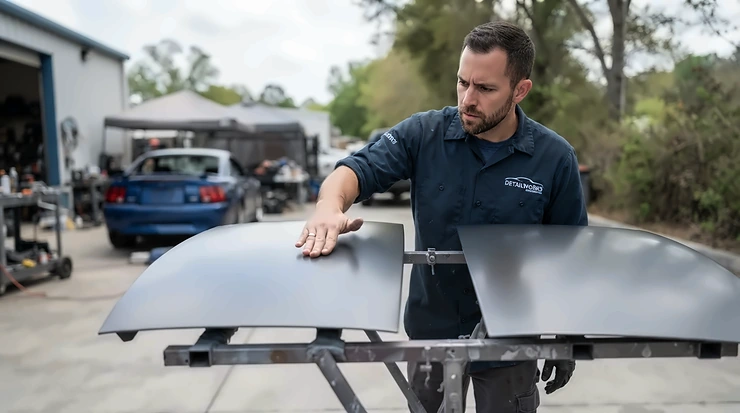
A ceramic coating vs wax comparison weighs two ways of protecting car paint: a sacrificial layer of wax that sits on top and wears away within weeks or months, against a silica-based coating that cures into a harder, longer-lasting film. The trade-offs come down to durability, upfront cost, effort and finish.
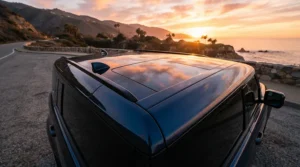
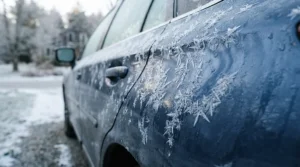
Britain is not kind to paintwork. Road salt in winter, tree sap in spring, bird droppings whenever they please and UV when the sun finally turns up all beat on your clear coat. That makes the choice matter more here than it would in a sunny state with a double garage.
Wax is the old reliable. Carnauba wax comes from a Brazilian palm and is among the hardest natural waxes. Its melting point is roughly 82–86°C, so it copes with a hot bonnet better than you’d expect. It looks warm and wet, smells lovely and wears off in weeks to months. A ceramic coating is the newer, tougher, pricier cousin that bonds to the paint and is claimed to last years.
This guide puts ceramic coating vs traditional wax side by side on what decides the purchase. That means which lasts longer wax or coating, the upfront cost, the maintenance requirements and how far to trust longevity claims. You’ll also get seven real products, from budget wax tubs to premium DIY coatings.
A word on method: this is research-based analysis, not a hands-on test. Durability figures are manufacturers’ claims or editorial estimates, and prices are indicative ranges. Check current price and availability before you buy.
Ceramic Coating vs Traditional Wax at a Glance
Here’s the short version of the ceramic coating vs wax comparison before we get into the detail.
| Factor | Traditional wax | Ceramic coating | Best for |
|---|---|---|---|
| Typical protection window | Roughly 4–8 weeks for pure carnauba; about 3–7 months for hybrids like Collinite 845 Insulator Wax | Claims of about 1–5 years for DIY products such as Gyeon Q2 One EVO and Gtechniq Crystal Serum Light | Coating for set-and-forget; wax for frequent top-ups |
| Upfront cost (DIY) | Low: a tub of Meguiar’s Gold Class Carnauba Plus Premium Paste Wax is a small spend | Higher: kits plus prep supplies, or £300–£1,500+ for a professional job | Wax for tight budgets |
| Application effort | Wash, wipe on, buff off | Decontaminate, often polish, prep, apply, cure | Wax for beginners |
| Finish | Warm, deep, “wet” glow | Sharper, glassy gloss and strong water beading | Wax for classics; coating for modern metallics |
| Maintenance requirements | Re-wax several times a year | Gentle washing, occasional booster spray | Coating for busy owners |
Read across the rows and a pattern appears. Wax wins on low upfront cost and ease, while a coating wins on how long it lasts and how little attention it needs afterwards. If you enjoy a Sunday-morning wax session, the extra years of a coating buy you little. If you resent every minute spent on the car, they buy you a lot.
💬 Just one click — help others make better buying decisions too!😊
Top 7 Ceramic Coating and Wax Products: Expert Analysis
These seven span the whole ceramic coating vs wax comparison: three true coatings, one ceramic spray, one hybrid ceramic wax and two proper waxes. Durability figures are claims from manufacturers and published reviews. Indicative prices are ranges at the time of research, so always check the current price.
1. Gtechniq Crystal Serum Light — longest claimed protection for DIY
Gtechniq sells this as the consumer cousin of its professional coatings. The headline claim of three to five years is the longest on this list.
The 30ml bottle suits small to medium cars, and larger vehicles need the 50ml. Parkers notes it needs about 12 hours indoors to cure fully. In practice you need a garage, a carport or a very patient forecast. Because only a thin layer is applied, a small bottle stretches a long way.
Based on the spec comparison, this is for the enthusiast who will do the decontamination and polishing first. A workshop that sells it says longevity depends on location, mileage and whether the car is garaged. Treat five years as a best case, not a promise.
Editorial reviewers, including Parkers and US detailing shops, consistently place it at or near the top for DIY coatings. The curing requirement is the usual complaint. I couldn’t verify a large sample of Amazon UK customer ratings, so read the live reviews before buying.
Pros:
- ✅ Longest durability claim of any DIY option here
- ✅ Thin layer makes a small bottle go far
- ✅ Strong gloss and chemical resistance
Cons:
- ❌ Needs roughly 12 hours of covered curing
- ❌ Highest upfront cost among the DIY coatings
Indicative range: roughly £70–£100. It costs more than any wax, but spread over its claimed lifespan the yearly cost can undercut frequent re-waxing, assuming you do the prep properly.
2. Gyeon Q2 One EVO — easiest first ceramic coating
Gyeon designed this as an entry-level coating that applies almost like wax. It claims up to 24 months or 25,000 km of protection.
Consumption is about 25–30ml per car, so a 30ml bottle covers a standard saloon and the 50ml covers larger cars. It can be applied outdoors in stable conditions, out of direct sunlight, which is a big deal for anyone without a garage. The stated pH tolerance of 2–11 means ordinary car shampoos shouldn’t strip it.
On paper this is the sweet spot for first-timers. It asks for less ceremony than premium vials and still delivers coating-class durability. A UK retailer’s review is more cautious than the manufacturer, suggesting around twelve months on a daily driver. I’d plan around that figure.
A retailer-page reviewer describing a first attempt called it easy and forgiving, and Parkers likes the glossy result. As above, I couldn’t verify aggregated Amazon UK ratings.
Pros:
- ✅ Single-layer application, wax-like ease
- ✅ Can be applied outdoors in stable weather
- ✅ Strong gloss and beading for the money
Cons:
- ❌ Not suitable for direct sunlight
- ❌ Shorter real-world life than premium vials
Indicative range: roughly £50–£80. For a beginner it is the best balance of upfront cost, forgiveness and lifespan in this round-up.
3. Autoglym Ultra High Definition Ceramic Coating Kit — everything in the box
This British-brand kit is the “I just want to try it” option, with up to a year’s protection claimed.
According to Parkers, the box includes a foam applicator pad, two microfibre cloths and a prep bottle. The coating has a short curing time of about four hours. Autoglym advises topping up with periodic wax layers, though other publications warn against layering wax over coatings. Follow the instructions in your own box.
The year-long claim is modest next to the premium vials, and I’d say that’s the point. It gives you coating-style water behaviour and easier washing without a big commitment. Car Magazine rates it as the best value kit, while noting it isn’t as durable as the Gtechniq options.
Parkers’ pros include the complete kit and a good finish. Its main con is that it’s less comprehensive than the Sonax kit it was compared against. Again, I couldn’t verify Amazon UK customer review data.
Pros:
- ✅ Prep bottle, pad and cloths all included
- ✅ Short four-hour cure
- ✅ Familiar British brand, easy to follow
Cons:
- ❌ Shortest coating claim in this list
- ❌ Wax top-up advice conflicts with other sources
Indicative range: roughly £40–£70. It’s good value as a taster, but if you’re keen on longevity claims, the Gyeon offers more years for a similar outlay.
4. Autoglym Rapid Ceramic Spray — the quick top-up spray
Think of this as a ceramic-flavoured quick detailer. It works on wet or dry paint, and Parkers notes it’s suitable for paint protection film and wraps too.
The 500ml bottle has no curing time to worry about, because you apply it like a spray wax. The claimed protection is up to three months. That puts it in wax territory, not true coating territory, but it’s useful for what it does well.
My read is that this is the maintenance product. If you have a coating already, a spray like this refreshes slickness between washes. If you have nothing, it’s a cheap way to see how much you enjoy ceramic-style beading before spending on a kit. Its tropical scent is a matter of taste.
Parkers recommends it for show-prep gloss and quick wins, and flags the short lifespan as the trade-off. I haven’t verified Amazon UK customer-review data.
Pros:
- ✅ Works on wet or dry paint
- ✅ Safe on paint protection film and wraps
- ✅ Large 500ml bottle for the money
Cons:
- ❌ Claimed protection is only about three months
- ❌ Not a true cured coating
Indicative range: under £25. It’s excellent value as a booster, but don’t mistake it for long-term protection.
5. Meguiar’s Hybrid Ceramic Liquid Wax — the bridge between wax and coating
This is a liquid wax with silica added, aimed at people who want some ceramic behaviour without cure times.
Parkers lists a 473ml bottle with a claimed four to six months of protection and a curing time of three to five minutes. Parkers also calls it a bit more hardcore than the easiest sprays, so expect a wipe-on, buff-off routine. Other sources quote anywhere from six to twelve weeks up to five months.
That spread tells you something. Hybrid products are sensitive to prep, weather and how you wash, so I’d plan on the low-to-middle of any range. Apex Auto Pros calls it a better alternative to a cheap ceramic coating, though not a true coating, and a good way to maintain one.
Reviewers consistently praise the slick feel and easy application. As ever, I couldn’t verify Amazon UK customer ratings.
Pros:
- ✅ Easy liquid format with generous volume
- ✅ Longer claimed life than pure carnauba
- ✅ Quick cure, no garage needed
Cons:
- ❌ Durability claims vary a lot between sources
- ❌ Not a true cured coating
Indicative range: under £20. It’s a bargain compromise if the upfront cost of a coating puts you off.
6. Collinite 845 Insulator Wax — the durability champion of wax
This carnauba-polymer hybrid is a cult favourite, popular with classic-car and boat owners for its staying power.
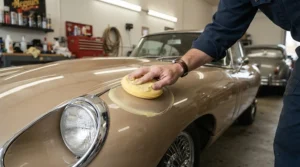
It’s a liquid gel you wipe on and buff off by hand, and reviewers’ durability estimates range from three to seven months. That’s well beyond the four to eight weeks typical of pure carnauba. The warm glow of carnauba combines with the weather resistance of polymers, so you aren’t forced to choose between depth and durability.
What most buyers overlook is that this makes Collinite 845 the closest a wax gets to answering which lasts longer wax or coating. It won’t match a coating’s years, but if you hate re-waxing, twice a year may suffice. The catch is effort: it’s a hand job, and buffing a whole car takes patience.
Several roundups name it the best all-round wax or sealant hybrid. I couldn’t verify Amazon UK customer-review data, and as an import its availability and delivery times can vary, so check before you rely on it.
Pros:
- ✅ Longest-lasting wax in this round-up
- ✅ Warm carnauba depth with polymer toughness
- ✅ Excellent water beading
Cons:
- ❌ Hand-applied and hand-buffed
- ❌ Stock and delivery can vary
Indicative range: roughly £20–£35. For the money, it’s the strongest value argument for staying with wax.
7. Meguiar’s Gold Class Carnauba Plus Premium Paste Wax — classic carnauba glow
This is the traditional wax in this round-up, a carnauba paste built for deep shine.
Reviewers put its durability at roughly two to three months, which fits the general expectation of a few weeks to a few months for carnauba. You apply it by hand and buff it off. Carnauba’s high melting point (around 82–86°C, per Wikipedia) means summer sun on a dark bonnet won’t turn it to goo, so the short life comes from wear and washing, not heat.
Honestly, this is for the person who enjoys the ritual. If your car is garaged and driven sparingly, the short interval hardly matters. If it lives on a street in Manchester drizzle, you’ll be re-waxing often.
Editorial reviewers praise its gloss, ease of use and low price. I couldn’t verify Amazon UK customer-review data.
Pros:
- ✅ Deep, warm showroom gloss
- ✅ Cheapest way into proper paint care
- ✅ Simple to apply and reapply
Cons:
- ❌ Shortest protection window here
- ❌ Several re-waxes needed a year
Indicative range: roughly £10–£18. It has the lowest upfront cost of all seven, but you pay in time and repetition.
Top 7 Comparison Table
| Product | Type | Claimed protection | Indicative price | Best for |
|---|---|---|---|---|
| Gtechniq Crystal Serum Light | Premium DIY coating | 3–5 years | £70–£100 | Garaged cars, keen DIYers |
| Gyeon Q2 One EVO | Beginner coating | Up to 24 months | £50–£80 | First-time coaters |
| Autoglym Ultra High Definition Ceramic Coating Kit | Coating kit | Up to 1 year | £40–£70 | Cautious tryers |
| Autoglym Rapid Ceramic Spray | Ceramic spray | Up to 3 months | Under £25 | Quick top-ups |
| Meguiar’s Hybrid Ceramic Liquid Wax | Hybrid ceramic wax | 4–6 months (claims vary) | Under £20 | Budget compromise |
| Collinite 845 Insulator Wax | Hybrid wax | 3–7 months | £20–£35 | Durable wax fans |
| Meguiar’s Gold Class Carnauba Plus Premium Paste Wax | Carnauba paste | 2–3 months | £10–£18 | Garaged classics |
The table shows the ceramic coating vs wax comparison as a ladder: each rung costs more and lasts longer. Gyeon Q2 One EVO looks like the best all-round step up from wax, while Collinite 845 Insulator Wax is the best reason to stay put. Autoglym Rapid Ceramic Spray sits at the bottom of the claims ladder, but it’s priced accordingly.
How to Apply Wax or Ceramic Coating: A Practical Usage Guide
Application matters more than the bottle. Parkers stresses that the car needs to be free of dirt and contaminants before any coating goes on. The same logic applies to wax, just with less at stake.
For wax:
- Wash with a quality shampoo and dry thoroughly.
- Apply a thin, even layer with a foam applicator. Thick coats are harder to remove and no more protective.
- Let it haze as per the label, then buff with a clean microfibre.
For a ceramic coating:
- Two-bucket wash, then decontaminate with a clay bar.
- Polish if swirls bother you, because a coating will lock in whatever is underneath.
- Wipe with a prep spray, then apply in small sections in a cross-hatch pattern, as Parkers describes.
- Buff off residue with two soft towels after the flash time on the label.
- Cure indoors for the stated window. Parkers cites 12–24 hours for many products.
In the first 30 days, don’t use harsh detergents, and follow your product’s cure guidance on water exposure. A common error is applying coatings in direct sun or in the cold. Another is skipping the prep because the bottle looks small and the job feels quick. It isn’t, and that gap between expectation and reality explains most disappointing coating results.
Real-World Scenarios: Matching the Right Protection to Your Driving Life
Specs are abstract. Here are three profiles.
The outdoor-parked commuter. Imagine 12,000 miles a year, a street space and a £100 budget. Gyeon Q2 One EVO is the logical pick. It can be applied outdoors in stable weather and promises a coating-class lifespan. If a weekend of prep sounds grim, Meguiar’s Hybrid Ceramic Liquid Wax is the lower-effort fallback.
The garaged weekend car. Sunday drives and a dry garage mean wear is minimal. Here Collinite 845 Insulator Wax or Meguiar’s Gold Class Carnauba Plus Premium Paste Wax make sense. The glow is gorgeous and re-waxing is a pleasure, not a chore. A coating’s years of durability would largely go unused.
The new-car buyer who wants to forget about it. Maybe you have £500–£1,000 and no wish to spend weekends polishing. A professional application is worth pricing, since published UK prices run from about £300 to over £1,500 depending on prep and coating tier. If you have a garage and patience, Gtechniq Crystal Serum Light is the DIY route to the same chemistry.
Notice the pattern. Environment and appetite for effort decide the answer more than any spec sheet does.
Ceramic Coating vs Traditional Wax: Head-to-Head Analysis
Parkers describes ceramic coatings as tougher than wax, with protection against UV, acidic bird droppings and light scratches such as those from jacket zips. It adds a caveat: a coating won’t stop stone chips, and for that you need paint protection film. It also won’t eliminate washing, though dirt releases more easily.
Wax works differently. It sits on top as a sacrificial layer and gives way first, which is exactly why it needs replacing. Its strength is the look: warm, deep and forgiving.
| Aspect | Traditional wax | Ceramic coating | Best for |
|---|---|---|---|
| Water behaviour | Good beading that fades | Tight beading, easier release | Coating for rainy climates |
| Resistance | Light, short-lived | Stronger against UV and acids | Coating for outdoor cars |
| Gloss character | Warm, “wet” depth | Glassy, sharp | Preference-driven |
| Reapplication | Every few weeks to months | Every few years, plus boosters | Coating for low-effort owners |
The table makes the ceramic coating vs traditional wax debate sound one-sided, but gloss is subjective. Plenty of owners of dark classic cars prefer carnauba’s glow even though a coating outlasts it. Choose on protection needs first and taste second.
Which Lasts Longer Wax or Coating? Reading Longevity Claims Honestly
On raw numbers, which lasts longer wax or coating has an easy answer: coatings, by a mile. Roundups put pure carnauba at roughly four to eight weeks, polymer blends at three to four months, and premium sealants at four to six months. Consumer coatings claim anywhere from one year (Autoglym Ultra High Definition Ceramic Coating Kit) to three to five years (Gtechniq Crystal Serum Light).
But longevity claims need translating. Parkers warns against expecting five years of full protection immediately. Washing habits, harsh equipment and neglect all shorten life. A workshop selling the same product adds that location, mileage and garaging matter.
Even the claims for one product vary. Reviewers have quoted Meguiar’s Hybrid Ceramic Liquid Wax anywhere from six weeks to five months. If sources can’t agree on a bottle’s lifespan, treat any single figure with suspicion.
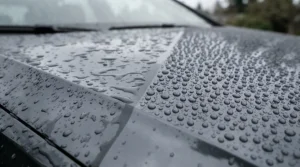
My planning assumption is to take the low-to-middle of the claim for a daily driver parked outside. A simple practical test also helps: when water stops beading tightly and sheeting off, protection is fading. Parkers uses beading as the first sign a coating has worked, and its absence as a hint that it hasn’t.
Cost Comparison Wax vs Ceramic: Upfront Cost and Long-Term Value
A cost comparison wax vs ceramic needs two numbers: upfront cost and cost per year of protection.
Wax is cheap to start. A tub of Meguiar’s Gold Class Carnauba Plus Premium Paste Wax costs little, though you’ll repeat the job often. DIY ceramic kits typically run £50–£150 according to one UK detailer, plus prep supplies like clay, polish and prep spray.
Professional work is a different league. UK price guides put it at roughly £300–£1,500+, with entry-level one-to-two-year jobs around £300–£600, mid-range three-year jobs around £600–£1,000 and five-year-plus tiers from £1,000 to £2,000+. One detailer’s maths works out around £200 a year for budget and standard tiers and about £171 for premium.
| Option | Upfront cost | Claimed lifespan | Illustrative yearly cost | Best for |
|---|---|---|---|---|
| Meguiar’s Gold Class Carnauba Plus Premium Paste Wax | £10–£18 | 2–3 months | £20–£40 | Tight budgets, garaged cars |
| Collinite 845 Insulator Wax | £20–£35 | 3–7 months | £20–£35 | Best-value wax |
| Gyeon Q2 One EVO plus prep | £80–£150 all-in | Up to 24 months | £40–£75 | DIY coating beginners |
| Professional mid-tier coating | £600–£1,000 | About 3 years | About £200 | Hands-off owners |
Yearly figures are illustrative assumptions, not quotes. They assume a tub covers several applications and exclude your time.
DIY coating wins on yearly cost if it lasts anywhere near its claim, but only after the prep investment. Wax wins on upfront cost, and professional coatings win on convenience. Your time is the hidden line item in every row.
✨ Ready to Upgrade Your Paint Protection?
🔍 Compare the seven products above, click any highlighted name to check current pricing and availability, and pick the option that fits your car, your parking and your patience. 🚗
Maintenance Requirements: What Each Option Asks of You
The maintenance requirements differ more than people expect, and they decide whether you’ll still be happy in a year.
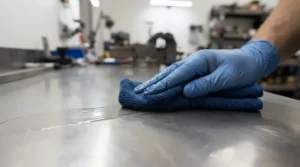
Wax asks for repetition. Expect to reapply every few weeks to a few months, depending on the product. Between applications, wash gently with a suitable shampoo and expect the shine to soften as the wax wears.
Ceramic coatings ask for less frequent but more careful attention. Regular washes with soft mitts and a two-bucket method help prolong life, per Parkers. Harsh equipment shortens it. Many owners add a booster such as Autoglym Rapid Ceramic Spray between washes to refresh slickness.
Hybrid ceramic waxes sit in between. Meguiar’s Hybrid Ceramic Liquid Wax needs reapplying every few months but takes minutes.
One trap is assuming “coated” means “never wash”. It doesn’t. Dirt still accumulates, and the benefit is that it releases more easily. Another trap is neglect: the coating won’t announce when it’s tired. Watch the beading, and re-treat when it fails.
How to Choose Between Ceramic Coating and Wax
Here are six steps to settle the ceramic coating vs wax comparison for your car.
- Check where it lives. Garaged cars suffer less, so wax is often enough. Outdoor cars benefit most from a coating’s resistance.
- Set an honest effort budget. A coating needs a weekend of prep. If that’s unrealistic, go hybrid wax or a professional.
- Set an upfront cost ceiling. Under about £30, buy wax. Between £50 and £150, a DIY coating becomes realistic. Above £300, consider a professional.
- Match claims to conditions. Halve the headline longevity claim for a daily driver parked outside.
- Think about the finish. Prefer warm and wet? Carnauba. Prefer glassy and sharp? Coating.
- Plan for maintenance. Decide whether you’d rather re-wax a few times a year or wash carefully and boost occasionally.
Run those six steps and most buyers land clearly on one side of the fence. If you finish undecided, Gyeon Q2 One EVO or Collinite 845 Insulator Wax is a sensible default for each camp.
Common Mistakes When Comparing Ceramic Coating vs Wax
Skipping prep. Coatings expose every flaw, because they lock in what’s beneath. Prep is where the result is made.
Layering wax and coating blindly. Advice conflicts here. Car Magazine’s coating guide says wax on top of a coating, or the reverse, weakens the overall protection. Autoglym, per Parkers, suggests periodic wax top-ups on its kit. Follow the manufacturer’s instructions for your product.
Believing headline years. A small bottle promising a decade is a red flag. Compare claims against conditions and brand reputation.
Comparing unlike quotes. One London studio points out that a £300 package and a £950 correction-and-coating package may both say “ceramic coating” but aren’t comparable services. Ask what prep is included.
Applying in poor conditions. Direct sun, cold or damp can ruin a coating’s finish. Check the label for temperature and shade requirements.
Over-applying. More product doesn’t mean more protection. Thin, even layers win.
Ceramic Coating vs Wax for Beginners, Enthusiasts and Busy Drivers
Beginners. Start with wax or a forgiving coating. Gyeon Q2 One EVO is designed for new DIYers, while Meguiar’s Gold Class Carnauba Plus Premium Paste Wax costs almost nothing to try.
Enthusiasts. If you enjoy the process, premium vials like Gtechniq Crystal Serum Light reward careful prep. Keep a hybrid like Collinite 845 Insulator Wax for secondary cars or winter protection.
Busy drivers. You want the least attention per month of protection. A professional coating is the premium route, and a DIY coating plus occasional Autoglym Rapid Ceramic Spray is the budget one. Choose based on whether you’d rather pay with cash or with weekends.
Owners of older or classic cars. Warmth of finish often matters more than years of durability. A good carnauba hybrid like Collinite 845 Insulator Wax can suit them well.
Owners planning to sell. A well-kept, protected finish helps presentation, but I can’t point to solid evidence that a coating raises resale value. Don’t buy one purely as an investment.
Features That Actually Matter (And Those That Don’t)
What matters:
- Prep and cure requirements. These decide whether you can realistically use the product at all.
- Durability per pound. Divide the upfront cost by the realistic lifespan.
- Application tolerance. Can you apply it outdoors? Gyeon Q2 One EVO can in stable weather, whereas Gtechniq Crystal Serum Light wants covered curing.
- Surface compatibility. Autoglym Rapid Ceramic Spray works on paint protection film and wraps, which some coatings don’t suit.
What matters less:
- Buzzwords. “Graphene”, “20H” and similar labels don’t tell you how a product cures or how long it lasts. Look at the brand’s stated durability and conditions.
- Giant lifespans in tiny bottles. Some marketplace listings promise ten-plus years for well under £100. Treat those claims sceptically.
- Scent and packaging. Pleasant, but irrelevant to protection.
Filter the marketing and you’re left with a handful of questions: how long, how hard to apply, how much upkeep, and what does it cost per year. Those are the numbers worth comparing.
FAQ
❓ Can I apply a ceramic coating at home in UK weather?
❓ Is ceramic spray the same as a full ceramic coating?
❓ Will ceramic coating stop scratches and stone chips?
❓ Is a professional ceramic coating warranty worth paying for?
❓ Is hybrid ceramic wax a good compromise between wax and coating?
Conclusion
So, who wins the ceramic coating vs wax comparison? It depends on your car, your parking and your patience.
If your car lives outdoors, you do plenty of miles and you’d rather wash than wax, a coating is the better long-term play. Gyeon Q2 One EVO is the friendliest DIY route, Gtechniq Crystal Serum Light is the premium pick for garaged cars and committed prep, and Autoglym Ultra High Definition Ceramic Coating Kit is the cautious taster. If your car is garaged, classic or simply loved, wax still earns its place, and Collinite 845 Insulator Wax is the standout for durability. Meguiar’s Gold Class Carnauba Plus Premium Paste Wax is the cheapest way to enjoy proper carnauba depth.
On the money, wax wins the upfront cost and coatings tend to win the yearly cost if they last near their claims. Remember that every longevity claim is a best case, and every maintenance requirement is a commitment of your time.
Whatever you choose, prep thoroughly, follow the label and check the live reviews and current price before you buy.
✨ Your Paint Deserves the Right Protection!
🚗 Pick the product that matches your parking, your patience and your budget, then click through to check current pricing and availability. Your future self, and your clear coat, will thank you. 💎
Recommended for You
- Ceramic Coating For Cars: 7 Proven Picks For UK Drivers (2026)
- Paint Protection Product For New Cars: 7 Proven Picks (2026)
- Cutting Compound For Car Paint Correction: 7 Proven Picks (2026)
Disclaimer: This article contains affiliate links. As an Amazon Associate, I earn from qualifying purchases. If you purchase products through these links, we may earn a small commission at no additional cost to you.
✨ Found this helpful? Share it with your friends! 💬🤗
