
In This Article
Ever found yourself halfway through a car repair or furniture assembly, only to realise you’re missing that one crucial size? I’ve been there, mate, and it’s frustrating. A quality spanner set isn’t just another tool cluttering your garage; it’s your passport to tackling everything from bicycle maintenance to plumbing emergencies without calling in the professionals.
The UK market in 2026 offers an overwhelming array of spanner set options, from budget-friendly £15 combinations to professional-grade £150+ kits. Whether you’re a weekend warrior fixing your motor or a tradesperson needing reliable tools that’ll withstand daily abuse, choosing the right spanner set can save you hundreds of pounds in the long run. According to RS Components, metric spanner sets have become the standard for modern applications in the UK since metrication in the 1970s, though many still require imperial sizes for vintage equipment.
What makes a spanner set truly exceptional? It’s not just about having every size from 6mm to 32mm. You need chrome vanadium steel construction for durability, comfortable grips for extended use, and proper storage that keeps everything organised. In this comprehensive guide, I’ll walk you through seven outstanding spanner set options currently available on Amazon.co.uk, explain the critical differences between ratchet and combination designs, and help you avoid the common pitfalls that lead to stripped bolts and bruised knuckles.
Quick Comparison Table: Top Spanner Set at a Glance
| Product | Size Range | Pieces | Type | Storage | Price Range | Best For |
|---|---|---|---|---|---|---|
| Neilsen 25-Piece Metric Set | 6-32mm | 25 | Combination | Tool Roll | £24.99-£29.99 | Complete coverage |
| Sealey 12pc Ratchet Combo | 8-19mm | 12 | Ratchet | Storage Rack | £45-£55 | Professional use |
| Hilka 11PC Combi Set | 6-19mm | 11 | Combination | Storage Rack | £13.85-£14.87 | Budget-conscious |
| DURATECH 8-Piece Flexi-Head | 8-19mm | 8 | Ratchet | Roll Pouch | £23.99-£28.99 | Awkward spaces |
| Amazon Basics 10-Piece | 10-19mm | 10 | Ratchet/Open | Storage Pouch | £18.56-£22.00 | Home DIY |
| Draper Expert 14-Piece | 6-22mm | 14 | Combination | EVA Tray | £30.99-£34.99 | Automotive work |
| Wera Joker 4-Piece Premium | 10, 13, 17, 19mm | 4 | Adjustable Combo | Textile Box | £56.97-£65.00 | Innovative features |
💬 Just one click – help others make better buying decisions too! 😊
Top 7 Spanner Set: Expert Analysis
1. Neilsen 25-Piece Metric Combination Spanner Set
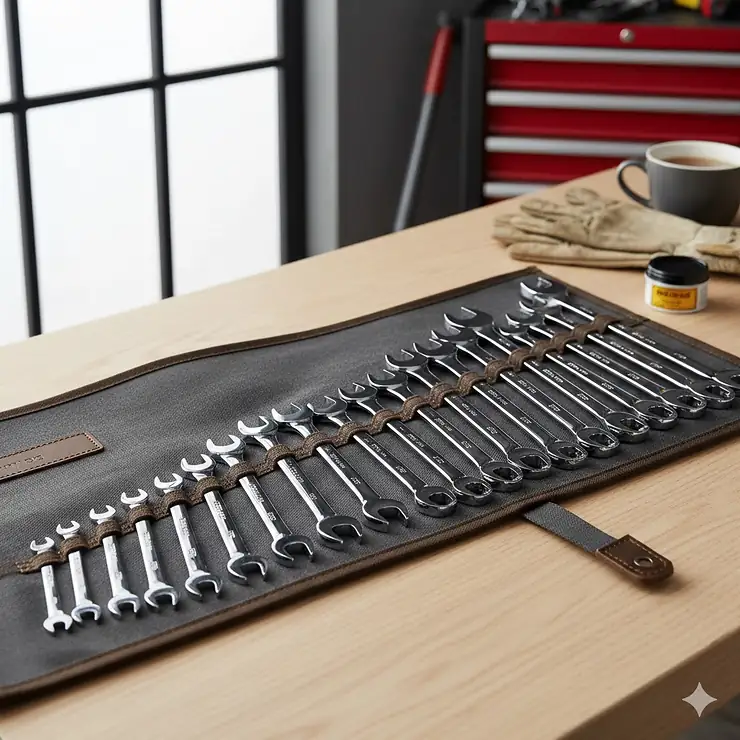
When you need comprehensive coverage without breaking the bank, the Neilsen 25-Piece Metric Combination Spanner Set delivers exceptional value. This extensive collection spans from 6mm all the way to 32mm, covering virtually every fastener you’ll encounter on modern vehicles, bicycles, and household equipment.
Key Specifications:
- Chrome vanadium steel construction
- Sizes: 6, 7, 8, 9, 10, 11, 12, 13, 14, 15, 16, 17, 18, 19, 20, 21, 22, 23, 24, 25, 26, 27, 28, 30, 32mm
- Dipped handles for improved grip
UK buyers particularly appreciate the durable tool roll that keeps everything organised. One verified purchaser noted: “Perfect for automotive work, the size markings are clear and the mirror finish has held up brilliantly after two years of regular use.” The bi-hex ring configuration grips nuts on 12 points rather than the standard 6, significantly reducing the risk of rounding off stubborn fasteners.
✅ Pros:
- Comprehensive size range eliminates gaps
- Excellent value at £24.99-£29.99
- Durable storage wallet included
❌ Cons:
- Slightly heavier than premium alternatives
- Basic finish compared to high-end brands
Price Range: £24.99-£29.99 | Rating: 4.6/5.0 | Availability: In stock on Amazon.co.uk
2. Sealey 12pc Ratchet Combination Spanner Set
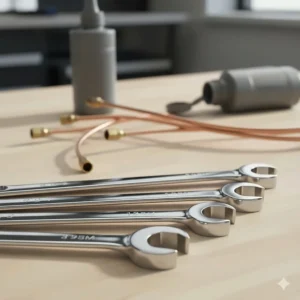
The Sealey 12pc Ratchet Combination Spanner Set represents the sweet spot between professional performance and reasonable pricing. Featuring Sealey’s renowned 100T WallDrive® technology, these spanners grip fasteners more securely whilst requiring minimal swing arc—ideal when you’re working in confined engine bays or under sinks.
Key Specifications:
- High-quality slim-style chrome vanadium steel
- Sizes: 8, 9, 10, 11, 12, 13, 14, 15, 16, 17, 18, 19mm
- 100-tooth ratchet mechanism
- Lifetime guarantee against manufacturing defects
According to Halfords, Sealey tools are particularly popular with UK tradespeople due to their no-quibble lifetime warranty. The hardened and tempered construction with fully polished micro satin finish resists corrosion exceptionally well, even in damp workshop environments.
✅ Pros:
- Superior ratchet mechanism needs only 3.6° movement
- Lifetime warranty provides peace of mind
- Professional-grade construction
❌ Cons:
- Higher initial investment than budget sets
- Storage rack doesn’t grip tools firmly
Price Range: £45-£55 | Rating: 4.7/5.0 | Availability: In stock on Amazon.co.uk
3. Hilka 11PC Combination Spanner Set Metric
Don’t let the budget-friendly price fool you—the Hilka 11PC Combination Spanner Set punches well above its weight. Hilka has supplied quality tools to the UK market for over 60 years, and this set exemplifies their commitment to affordable excellence.
Key Specifications:
- Chrome-plated for corrosion resistance
- Sizes: 6, 7, 8, 9, 10, 11, 12, 13, 14, 17, 19mm
- Supplied with storage rack
Customer feedback reveals this set works brilliantly for home use, with one reviewer stating: “Good quality, not heavy, easy to use. Looks organised with the holder. Great value also.” The compact size range covers the most commonly used sizes for household repairs, bicycle maintenance, and basic automotive work.
✅ Pros:
- Exceptional value at under £15
- Includes convenient storage rack
- Perfect for occasional DIY use
❌ Cons:
- Size range has gaps (no 15, 16, 18mm)
- Thinner construction than professional sets
- Less comfortable for extended use
Price Range: £13.85-£14.87 | Rating: 4.2/5.0 | Availability: In stock on Amazon.co.uk
4. DURATECH 8-Piece Flexible Head Ratchet Spanner Set
For those tricky jobs where standard spanners simply won’t reach, the DURATECH 8-Piece Flexible Head Ratchet Spanner Set offers game-changing versatility. The 180-degree pivoting head lets you approach fasteners from virtually any angle, whilst the 72-tooth ratchet mechanism requires just 5 degrees of movement.
Key Specifications:
- Chrome vanadium steel with nickel plating
- Sizes: 8, 10, 12, 13, 14, 15, 17, 19mm
- 72-tooth ratchet providing 5° swing arc
- Roll pouch for organised storage
The mirror-like finish isn’t just for show—it provides excellent corrosion resistance for tools that might get wet during plumbing work or outdoor repairs. UK buyers working on motorcycles and bicycles particularly value the flex-head design when accessing recessed fasteners.
✅ Pros:
- Flexible head dramatically improves accessibility
- High tooth count for minimal swing
- Attractive presentation in blow-moulded case
❌ Cons:
- Slightly lower profile means less leverage on stubborn bolts
- Mid-range pricing
- Missing some common sizes (9, 11, 16, 18mm)
Price Range: £23.99-£28.99 | Rating: 4.6/5.0 | Availability: In stock on Amazon.co.uk
5. Amazon Basics 10-Piece Metric Ratchet Wrench Set
The Amazon Basics 10-Piece Metric Ratchet Wrench Set proves you don’t need to spend a fortune for reliable performance. Manufactured from chrome vanadium steel and backed by Amazon’s hassle-free return policy, this set covers the essential sizes for everyday tasks.
Key Specifications:
- Drop-forged chrome vanadium steel
- Sizes: 10, 11, 12, 13, 14, 15, 16, 17, 18, 19mm
- 72-tooth ratchet mechanism
- Storage pouch included
Testing revealed minimal slipping even on tight bolts, with one reviewer noting: “At a third the price of premium brands, the performance is impressive. The open end works very well, with only small amounts of slipping on excessively tight bolts.” The continuous size range eliminates frustrating gaps in coverage.
✅ Pros:
- Complete size range without gaps
- Amazon’s customer service backing
- Lighter weight for portability
❌ Cons:
- Fewer sizes than comprehensive sets
- Basic storage solution
- Not suitable for heavy professional use
Price Range: £18.56-£22.00 | Rating: 4.7/5.0 | Availability: In stock on Amazon.co.uk
6. Draper Expert 14-Piece Combination Spanner Set
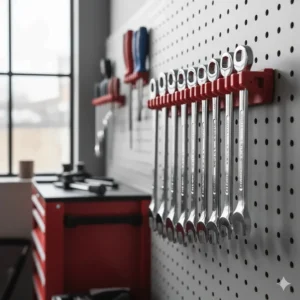
The Draper Expert 14-Piece Combination Spanner Set represents trusted British engineering excellence. Draper’s Expert range undergoes rigorous quality testing, including torque testing to DIN899 standards plus an additional 20% to simulate misuse conditions.
Key Specifications:
- Forged chrome vanadium steel
- Sizes: 6, 7, 8, 9, 10, 11, 12, 13, 14, 15, 16, 17, 19, 22mm
- 15-degree offset open end
- Supplied in EVA foam storage tray
According to testing by Auto Express, Draper consistently performs well in professional evaluations. The edges are slightly more comfortable than rival spanners, and the finish feels substantial. The set breezed through torture tests with minimal issues.
✅ Pros:
- Proven quality from established UK brand
- Comprehensive size range for automotive work
- Durable EVA foam storage
❌ Cons:
- Higher price point than basic sets
- Foam tray doesn’t display sizes when stored
- Heavier than compact alternatives
Price Range: £30.99-£34.99 | Rating: 4.5/5.0 | Availability: In stock on Amazon.co.uk
7. Wera Joker 4-Piece Combination Ratchet Spanner Set
For those who demand innovation alongside performance, the Wera Joker 4-Piece Combination Ratchet Spanner Set pushes boundaries with groundbreaking features. German engineering meets practical design in these premium spanners that cover the four most commonly used sizes.
Key Specifications:
- Hardened chrome vanadium steel
- Sizes: 10, 13, 17, 19mm
- Patented “holding function” on open end
- Colour-coded by size
- Weather-resistant storage case
The revolutionary holding function uses a small plate on the open end that captures nuts, letting you start threads without holding the fastener—absolutely brilliant for awkward positions. Completely weather-resistant, these spanners maintain performance in harsh conditions. One mechanic raved: “The holding function alone justifies the premium price. Working overhead or in tight spaces becomes infinitely easier.”
✅ Pros:
- Innovative holding function is game-changing
- Superb build quality
- Colour coding speeds size identification
- Lifetime guarantee
❌ Cons:
- Premium pricing
- Limited to four sizes
- Requires purchasing additional sets for complete coverage
Price Range: £56.97-£65.00 | Rating: 4.9/5.0 | Availability: In stock on Amazon.co.uk
✨ Don’t Miss These Exclusive Deals!
🔍 Take your maintenance work to the next level with these carefully selected products. Click on any highlighted item to check current pricing and availability on Amazon.co.uk. These tools will help you create professional results your mates will admire!
Understanding Spanner Set Fundamentals
What exactly makes a spanner set worth your hard-earned money? Beyond the obvious need for various sizes, several factors separate professional-grade tools from garage-sale disappointments. Let’s break down the essential knowledge you need.
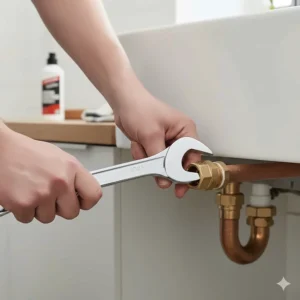
A spanner set comprises multiple spanners of different sizes, typically ranging from 6mm to 32mm in metric measurements. Each spanner features two ends: the open-end (U-shaped) and the ring-end (enclosed circle). The open-end allows you to slip onto a nut or bolt head from the side, whilst the ring-end provides superior grip and torque application by engaging all six sides of the fastener.
The beauty of owning a comprehensive spanner set lies in versatility. Rather than purchasing individual spanners as needs arise—which inevitably happens at the worst possible moment—you’ve got everything ready. Modern combination spanners integrate both open and ring ends on a single tool, maximising utility whilst minimising toolbox clutter.
Material composition critically affects performance and longevity. Chrome vanadium steel has become the industry standard due to its exceptional properties. According to JCBL Hand Tools, chrome vanadium steel offers superior tensile strength, corrosion resistance, and durability compared to basic carbon steel. The chromium content creates a protective layer preventing rust, whilst vanadium increases hardness without sacrificing toughness.
Heat treatment processes further enhance these properties. Drop forging, where heated steel billets are shaped under extreme pressure, creates tools that resist bending and breaking under high torque loads. Subsequent tempering balances hardness with flexibility, ensuring your spanners won’t shatter when you really lean into that stubborn bolt.
Metric vs Imperial: Which System Do You Need?
The metric versus imperial debate might seem settled in modern Britain, but practical reality tells a different story. Understanding when you need which system prevents frustration and potentially damaged fasteners.
Metric spanners, measured in millimetres, dominate the UK market. Since Britain officially adopted the metric system in the 1970s, virtually all new equipment, vehicles, and machinery uses metric fasteners. Your 2020s-era car exclusively uses metric bolts. Modern furniture assembly requires metric Allen keys and spanners. Even imported goods from Europe and Asia employ metric measurements.
However, imperial spanners remain essential for specific applications. Classic British vehicles manufactured before the 1970s feature Whitworth or AF (Across Flats) measurements. Vintage motorcycles, tractors, and industrial equipment often require imperial tools. Some American imports still use SAE (Society of Automotive Engineers) sizing, though this has become increasingly rare.
The key differences? An 8mm spanner won’t properly fit a 5/16-inch bolt, despite seeming close. Using the wrong system risks rounding off fastener heads, creating expensive repair nightmares. Professional mechanics working on diverse vehicles often maintain both metric and imperial sets, whilst home DIYers can usually manage with metric alone unless they specifically work on vintage equipment.
Most UK retailers now stock metric combination spanner sets as standard. Imperial sets are available but typically require specific searching or specialist tool suppliers. When building your collection, start with a comprehensive metric set covering 6mm to 32mm, then add imperial sizes only if your projects demand them.
Ratchet vs Standard Combination Spanners
The debate between ratchet and standard combination spanners centres on functionality, durability, and cost. Each design offers distinct advantages for different situations, and understanding these differences helps you choose wisely.
Standard combination spanners feature a simple, robust design that’s served mechanics for decades. One end has an open jaw for side access, the other a closed ring for maximum torque. They’re incredibly durable, with no moving parts to fail. When you need serious leverage—think seized bolts or final tightening—traditional combination spanners excel. They’re also lighter and more compact, making them easier to store and transport.
Ratchet spanners incorporate a clever mechanism allowing unidirectional rotation without removing the tool from the fastener. The ring end contains a gear system that engages in one direction whilst freewheeling in the other. This proves invaluable in confined spaces where you can’t complete a full rotation. Rather than repeatedly removing and repositioning the spanner, you simply rock it back and forth, advancing the fastener with each stroke.
Modern ratchet mechanisms feature impressive tooth counts. A 72-tooth ratchet requires just 5 degrees of movement, whilst premium 100-tooth designs need only 3.6 degrees. For comparison, a standard spanner might need 60-90 degrees of clearance for effective use. When working in tight engine bays, behind dashboards, or in plumbing spaces, this difference transforms impossible jobs into manageable tasks.
The trade-offs? Ratchet spanners cost more due to their complex construction. The mechanism adds bulk and weight compared to traditional designs. Under extreme torque, the ratchet teeth can potentially strip or fail, though quality brands rarely experience this with proper use. Some mechanics carry ratchet spanners for efficiency whilst keeping traditional combinations for final tightening and breaking loose seized fasteners.
For home DIY enthusiasts, a ratchet combination spanner set offers excellent value. You gain the efficiency of ratchets for everyday tasks whilst maintaining the simplicity of open-ends when needed. Professional tradespeople often own both types, selecting tools based on specific job requirements.
Chrome Vanadium Steel: Why Material Matters
You’ll see “chrome vanadium steel” or “Cr-V” stamped on quality spanners, but what does this actually mean for your tools’ performance? The metallurgy makes a substantial difference in durability, functionality, and value.
Chrome vanadium steel is an alloy combining iron with specific percentages of chromium, vanadium, carbon, silicon, and manganese. This carefully balanced composition creates properties that basic carbon steel simply cannot match. The result is tools that withstand professional-level abuse whilst remaining affordable enough for enthusiast markets.
Chromium contributes corrosion resistance by forming a thin, self-healing oxide layer on the surface. This protective barrier prevents rust even in damp environments—crucial for tools that might get splashed with oil, water, or cleaning chemicals. You’ve probably noticed how cheap spanners develop surface rust after minimal exposure, whilst quality chrome vanadium tools maintain their finish for years.
Vanadium significantly increases hardness and wear resistance. It raises what metallurgists call “carbide hardness,” creating tools that maintain their precise dimensions even after thousands of cycles. When you apply massive torque to a nut, the spanner jaws must not spread or deform. Vanadium ensures the tool remains dimensionally accurate, providing reliable grip throughout its service life.
The manganese content enhances tensile strength and ductility. Tensile strength determines how much pulling force the tool can withstand before failing, whilst ductility allows slight flexing without fracturing. These properties work together—when you apply extreme torque, the spanner might flex slightly rather than snapping catastrophically.
Heat treatment amplifies these inherent material properties. Drop forging shapes the steel under extreme pressure whilst hot, aligning the grain structure for maximum strength. Subsequent quenching (rapid cooling) hardens the steel, then tempering (gentle reheating) reduces brittleness whilst maintaining hardness. Quality manufacturers fine-tune these processes to achieve the optimal balance.
According to Wikipedia, chrome vanadium steel typically contains 0.4-1.1% chromium and 0.15-0.25% vanadium, though exact compositions vary by manufacturer and application. The steel achieves hardness ratings of 40-50 HRC (Rockwell C scale), providing excellent durability without excessive brittleness.
The alternative—basic carbon steel—costs less but sacrifices performance. Carbon steel tools rust easily, wear faster, and may deform under high loads. For occasional light use, the savings might justify the compromise. For anyone performing regular maintenance or repairs, chrome vanadium steel’s superior longevity and reliability easily justify the modest price difference.
Sizing Your Spanner Set Requirements
Choosing the right spanner set size range determines whether you’ll have the tools you need or constantly discover frustrating gaps in coverage. Let’s examine sizing strategies for different applications and user types.
Essential Everyday Sizes (8-19mm): The core range for modern vehicles, bicycles, and common household equipment covers 8, 10, 12, 13, 14, 15, 17, and 19mm. These sizes handle approximately 80% of routine maintenance tasks. Most basic spanner sets concentrate on this range, providing excellent value for limited budgets. A 10-12 piece set spanning these sizes serves DIY enthusiasts brilliantly.
Comprehensive Automotive Range (6-22mm): Serious home mechanics and light professional use demands broader coverage. Sizes from 6mm (small fasteners on electronics and trim) through 22mm (larger suspension and drivetrain components) ensure you’re prepared for most automotive challenges. Sets containing 14-18 spanners in this range balance comprehensiveness with reasonable pricing and storage requirements.
Full Professional Coverage (6-32mm): Tradespeople working across diverse equipment need maximum versatility. The complete range from 6mm to 32mm, typically encompassing 20-25 individual spanners, eliminates those frustrating moments when you’re one size short. Larger sizes (24mm+) prove essential for industrial machinery, heavy-duty vehicles, and plumbing work involving larger pipe fittings.
Specialised Requirements: Some applications demand sizes outside standard ranges. Classic British vehicles might require Whitworth or BA thread sizes. Agricultural machinery sometimes needs spanners exceeding 32mm. Precision electronics work benefits from tiny sizes below 6mm. Assess your specific projects before investing in specialised tooling.
When evaluating sets, scrutinise which sizes are actually included. Some manufacturers create larger piece counts by including duplicate sizes or offering both metric and imperial measurements. Whilst versatility has value, don’t pay for redundancy you won’t use. A 25-piece metric-only set might provide better coverage than a 30-piece set splitting between metric and imperial.
Consider storage solutions alongside sizing decisions. Larger, more comprehensive sets occupy more toolbox real estate and weigh considerably more. Tool rolls offer portable convenience, storage racks mount in workshops for instant access, and foam trays integrate into tool chest drawers. Match your storage preference with the set size you choose.
Progressive building represents another strategy. Start with a quality 10-12 piece set covering essential sizes, then add individual spanners as specific needs arise. This approach spreads costs whilst ensuring you prioritise tools you’ll actually use. However, purchasing complete sets typically costs less per spanner than buying individually, so balance initial budget constraints against long-term value.
Storage and Organisation Solutions
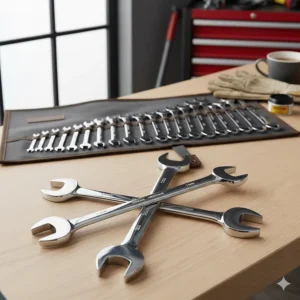
Properly storing your spanner set might seem trivial, but organisation dramatically impacts efficiency, tool longevity, and workshop safety. Let’s explore the various storage systems and their practical implications.
Tool Rolls and Wallets: Fabric or synthetic tool rolls provide portable, space-efficient storage. Individual pockets keep each spanner separate, preventing scratching and making size identification quick. Tool rolls excel for mobile mechanics, travelling technicians, or anyone working at multiple locations. They fold compactly, slip into toolboxes or vehicle storage, and protect tools from casual damage.
The primary limitation? Tool rolls lack rigid protection. Dropped or compressed rolls can bend spanners or damage ratchet mechanisms. They also require unrolling to access tools, which becomes tedious during intensive work sessions. Quality varies enormously—cheap vinyl tears easily, whilst durable canvas or ballistic nylon versions last for decades.
Storage Racks and Clips: Rigid plastic or metal racks hold spanners individually, typically gripping the shaft between the two ends. These racks mount on workshop walls, sit on benches, or nest in toolboxes. Benefits include instant visual access, compact vertical storage, and protection for individual tools.
However, storage racks sometimes fail to grip tools securely. Vibration or movement can dislodge spanners, particularly lighter ones. Some designs obscure size markings when tools are installed. The best racks feature secure clips combined with clear size labels, ensuring both accessibility and organisation.
EVA Foam Trays: Die-cut EVA (ethylene-vinyl acetate) foam inserts sit in tool chest drawers, creating custom storage positions for each spanner. The foam suspends tools, protecting finishes whilst making missing pieces immediately obvious. Professional workshops favour this system for its combination of protection, organisation, and inventory control.
The disadvantage comes in flexibility—foam trays lock you into specific tool arrangements. Adding new spanners or reorganising becomes challenging. They also consume considerable drawer space compared to denser storage methods. For fixed workshop applications with consistent tool sets, foam trays reign supreme. For evolving collections or space-constrained environments, alternative solutions work better.
Magnetic Tool Holders: Powerful magnetic strips mounted on workshop walls or inside toolbox lids provide effortless storage and retrieval. Simply toss spanners toward the magnet, and they stick securely. This system works brilliantly for frequently-used sizes, keeping them instantly accessible during projects.
Limitations include potential for tools to fall if bumped, difficulty organising sizes systematically, and possible demagnetisation of electronic components if used near sensitive equipment. Magnetic holders complement other storage methods rather than replacing them entirely.
Shadow Boards: Traditional shadow boards paint or cut tool outlines on backgrounds, creating visual templates for each tool’s position. This time-tested approach ensures tools return to designated spots, preventing loss and maintaining organisation. Shadow boards work particularly well in shared workshops where multiple people use the same tools.
Creating effective shadow boards requires initial investment of time and materials, but they deliver long-term organisational benefits. Digital tools and vinyl cutters have modernised this classic approach, making professional-looking shadow boards accessible to home workshops.
✨ Complete Your Workshop Setup!
🔧 Looking for complementary tools to maximise your spanner set’s potential? Check out our recommended socket sets, torque wrenches, and tool storage solutions on Amazon.co.uk. Build the workshop you’ve always dreamed of!
Maintenance and Care for Longevity
Quality spanner sets represent significant investments, and proper maintenance extends their working life from years to decades. Follow these proven care practices to maximise your tools’ performance and longevity.
Cleaning After Use: Wipe down spanners after each use, particularly when exposed to moisture, chemicals, or road grime. A simple cloth removes surface contaminants before they cause corrosion or build-up. For stubborn residue, mild soapy water works excellently—just ensure thorough drying afterward to prevent rust.
Avoid harsh solvents unless absolutely necessary. Many cleaning chemicals can strip protective coatings or cause discolouration. When dealing with heavy contamination, specialised tool cleaners provide effective cleaning without damaging finishes. A small investment in proper cleaning supplies protects your larger investment in quality tools.
Corrosion Prevention: Even chrome vanadium steel benefits from occasional protection. Light oil application—particularly before extended storage—creates an additional moisture barrier. Apply thin oil coats, then wipe off excess to prevent attracting dust and debris. WD-40 or specialist tool oils work brilliantly for this purpose.
Storage environment matters enormously. Damp basements, unheated garages, and humid conditions accelerate corrosion. If possible, store tools in climate-controlled environments. When workshop conditions aren’t ideal, sealed tool chests with desiccant packets control moisture levels effectively.
Inspecting for Damage: Regularly examine spanners for signs of wear or damage. Check open-end jaws for spreading or distortion—damaged jaws won’t grip fasteners properly and will round off bolt heads. Inspect ratchet mechanisms by feeling for smooth, consistent operation. Grinding, slipping, or sticking indicates internal wear requiring attention.
Look for cracks, particularly near where the shaft meets the heads. These stress points occasionally develop fractures after years of heavy use. A cracked spanner is dangerous—it can fail catastrophically under load, potentially causing injury. Replace damaged tools immediately rather than risking failure during critical moments.
Proper Use Prevents Damage: Many spanner failures result from misuse rather than defects. Never use pipes or extensions to increase leverage—this applies forces beyond the tool’s design limits. If a fastener won’t budge, switch to impact tools, apply penetrating oil, or use heat rather than overloading your spanners.
Avoid striking spanners with hammers unless specifically designed for this (striking spanners have reinforced shanks). Never use spanners as pry bars, chisels, or hammers—these tools aren’t designed for impact forces. Respecting tools’ intended purposes prevents premature failure whilst maintaining safety.
Ratchet Mechanism Maintenance: Ratchet spanners require occasional lubrication to maintain smooth operation. A drop of light machine oil in the mechanism every few months keeps internal gears moving freely. Avoid heavy greases that can accumulate debris. If a ratchet feels sticky or inconsistent, disassembly and cleaning might be necessary—though this requires mechanical aptitude and appropriate workspace.
Most quality manufacturers design ratchets for serviceable maintenance. Consult online resources or manufacturer documentation for specific models. Some mechanics keep backup standard combination spanners alongside ratchet versions, ensuring they’re never completely stuck if a ratchet mechanism fails mid-project.
Common Mistakes When Buying Spanner Sets
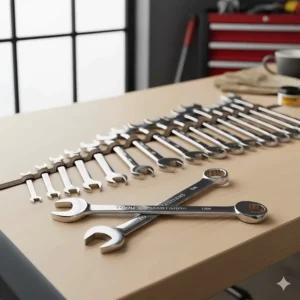
Avoiding these frequent purchasing errors saves money, frustration, and potential project delays. Learn from others’ experiences rather than repeating expensive mistakes.
Mistake #1: Prioritising Price Above Quality: The cheapest spanner set might seem appealing initially, but poor-quality tools cost more long-term. Cheap steel deforms under moderate torque, chrome plating flakes off after minimal use, and inadequate heat treatment causes tools to bend or break. These failures don’t just waste money—they damage fasteners, potentially creating costly repairs.
Consider cost-per-year rather than initial outlay. A £50 spanner set lasting 20 years costs £2.50 annually. A £15 set requiring replacement every three years actually costs £5 annually whilst delivering inferior performance throughout. Quality tools represent investments, not expenses.
Mistake #2: Ignoring Size Gaps: Some manufacturers artificially inflate piece counts by including redundant sizes or offering incomplete ranges. A “15-piece set” might contain only 8 useful sizes, with the remainder being duplicates in different finishes or including sizes you’ll rarely need. Carefully review the actual size list before purchasing.
Common gaps include missing 7mm, 9mm, 11mm, or 16mm from supposedly “complete” sets. These sizes appear frequently enough that their absence proves frustrating. Comprehensive sets explicitly list all included sizes—verify coverage matches your requirements rather than assuming completeness based on piece count alone.
Mistake #3: Overlooking Storage Quality: The spanner set itself might be excellent, but if the storage solution fails, you’ve got problems. Flimsy tool rolls rip, cheap plastic racks break, and poorly-designed foam trays don’t fit standard tool chest drawers. Evaluate storage as carefully as the tools themselves.
Consider whether the storage suits your workspace. Wall-mounted racks waste space in toolboxes. Tool rolls frustrate when you need wall mounting. Foam trays designed for specific tool chest brands might not fit your existing storage. Match storage design with how you’ll actually use and store the set.
Mistake #4: Buying Imperial When You Need Metric: This sounds obvious, yet confusion persists. Always verify measurement systems before purchasing. Some sets combine both metric and imperial, which adds value only if you genuinely need both. For most UK applications, pure metric sets provide better coverage and value.
Read product descriptions carefully—titles like “Universal Set” sometimes mean imperial/metric combinations, not comprehensive sizing. Check reviews from UK buyers to confirm measurement systems match expectations. When in doubt, contact sellers directly for clarification.
Mistake #5: Neglecting Warranty and Support: Quality manufacturers stand behind their products with substantial warranties. Lifetime guarantees indicate confidence in build quality and provide valuable protection for your investment. Conversely, manufacturers offering no warranty signal potential quality concerns.
Investigate warranty terms before purchasing. Some require original receipts, whilst others honour tool replacement based on manufacturing stamps alone. UK-based customer service matters when warranty claims arise—dealing with international returns creates hassles better avoided through careful brand selection.
Professional vs DIY: Which Set Suits You?
Matching spanner set specifications to your actual usage patterns prevents both overspending and underinvestment. Honest assessment of your needs guides smart purchasing decisions.
Occasional DIYers (Few Projects Annually): If you perform basic maintenance several times yearly—bicycle adjustments, furniture assembly, occasional home repairs—a budget-friendly 10-12 piece metric combination spanner set suffices brilliantly. The Hilka 11PC or Amazon Basics sets provide reliable performance without excessive investment. Focus on essential sizes (8-19mm) covering common fasteners you’ll encounter.
Storage simplicity matters for occasional use. Tool rolls or compact racks that tuck into cupboards keep everything organised without occupying premium workshop space. You won’t stress these tools enough to experience wear issues, so mid-range quality balances cost and performance perfectly.
Regular Home Mechanics (Weekly Usage): When you perform routine vehicle maintenance, work on motorcycles or bicycles regularly, or tackle frequent home repairs, step up to quality mid-range sets. The Sealey or Draper Expert collections offer professional-grade construction at enthusiast prices. Ratchet mechanisms significantly improve efficiency for your more frequent projects.
Invest in proper storage matching your workshop setup. If you’ve got a tool chest, foam tray systems keep everything organised. For portable applications, quality tool rolls protect your investment during transport. You’ll use these tools extensively enough that comfort features and durability justify higher initial costs.
Professional Tradespeople (Daily Use): Nothing less than premium quality makes sense for tools subjected to daily professional demands. Comprehensive coverage (6-32mm minimum) ensures you’re prepared for diverse challenges. Brands like Wera, Stahlwille, or Facom deliver the durability and performance professional applications require.
Warranty becomes critically important—lifetime guarantees prevent tool replacement costs eroding profits. Ratchet spanners with high tooth counts dramatically improve productivity in tight spaces where every second counts. Systematic storage (foam trays or shadow boards) maintains organisation when multiple people access shared tool collections.
Consider specialised features based on your trade. Automotive technicians benefit from flexi-head designs accessing recessed fasteners. Plumbers need corrosion-resistant finishes for wet environments. Industrial maintenance crews require extreme size ranges for diverse machinery.
Budget Reality Check: Professional sets cost 2-4 times more than DIY equivalents, reflecting superior materials, precision manufacturing, and comprehensive warranties. This investment makes sense for professionals generating income with their tools but may be excessive for hobbyists. Honestly assess your usage patterns—don’t pay for professional features you’ll never utilise, but equally don’t underinvest and create frustration through inadequate tools.
A hybrid approach works for many enthusiasts: invest in quality basics (combination spanners in common sizes), then add budget alternatives for rarely-used sizes. This strategy concentrates spending where it matters whilst maintaining comprehensive coverage affordably.
Essential Safety Considerations
Spanner sets might seem straightforward, but improper use creates genuine hazards. Understanding safety principles prevents injuries whilst protecting both tools and fasteners.
Correct Size Selection: Using incorrectly-sized spanners is perhaps the most common safety violation. An oversized spanner slips off fasteners under load, potentially causing falls, impact injuries, or damage to surrounding components. Undersized spanners risk splitting and flying apart when subjected to excessive forces.
Always select the exact size matching your fastener. If the spanner doesn’t fit snugly—requiring no forcing or wiggling—it’s the wrong size. The minimal time saved by “making do” with close-enough sizes disappears instantly when you strip a bolt head or injure yourself during a slip.
Pull Rather Than Push: When applying force to spanners, pull toward yourself rather than pushing away whenever possible. This body positioning prevents forward falls if the spanner suddenly breaks loose or slips. Falls into machinery, sharp corners, or hard surfaces cause serious injuries that simple technique adjustments prevent.
Position yourself with stable footing and clear surroundings. If pushing becomes necessary, use open palms rather than curled fingers—this prevents severe knuckle injuries when your hand shoots forward upon fastener movement. Professional mechanics automatically assess positioning before applying major torque, treating it as seriously as the mechanical task itself.
Appropriate Force Application: Modern fasteners rarely require brute force when properly approached. If a bolt won’t budge with reasonable effort, investigate rather than increasing torque dramatically. Seized fasteners benefit from penetrating oil, gentle heat application, or impact tools—not excessive leverage that risks tool failure or fastener damage.
Never extend spanners with pipes, longer tools, or other improvised methods. These practices apply forces far beyond design specifications, risking catastrophic tool failure. Broken spanners under extreme load can cause severe lacerations or impact injuries. Purchase appropriately-rated tools for high-torque applications rather than overloading standard spanners.
Eye Protection: Flying debris during fastener work threatens eyesight. Rust particles, metal flakes, or even fastener fragments can launch unexpectedly when breaking loose corroded connections. Safety glasses or goggles provide essential protection—they’re too cheap and convenient to skip.
This applies even during seemingly benign tasks. A fastener that appears sound might be corroded internally, fragmenting when stressed. Components under spring tension can release unexpectedly. Developing habitual eye protection eliminates the risk of permanent vision damage from momentary oversights.
Proper Maintenance Prevents Failures: Damaged or worn spanners become unpredictable safety hazards. Cracked tools can shatter under load, sending sharp fragments flying. Worn ratchet mechanisms might suddenly release, causing loss of control and potential injuries. Distorted open-end jaws slip readily, creating impact and fall risks.
Inspect tools regularly and replace damaged units immediately. The cost of new spanners pales compared to medical treatment for preventable injuries. Professional workshops often implement tool inspection schedules, systematically examining equipment before failures create hazards. Home mechanics should adopt similar practices, even if less formally structured.
Working Position Awareness: Consider what happens if tools slip or fasteners suddenly release. Position yourself so unexpected movement won’t cause you to strike machinery, fall from height, or impact sharp objects. Maintain three-point contact on ladders, secure work pieces properly, and ensure adequate lighting reveals potential hazards.
Working on vehicles introduces additional risks. Ensure proper support with jack stands—never trust hydraulic jacks alone. Disconnect batteries when working on electrical systems. Release spring tension safely before removing fasteners. These precautions complement proper tool usage, creating comprehensive safety approaches protecting both person and property.
FAQ
❓ What's the difference between a spanner and a wrench in the UK?
❓ How many spanners do I actually need for basic home maintenance?
❓ Can I use metric spanners on imperial fasteners?
❓ Are ratchet spanners worth the extra cost for DIY use?
❓ How do I know when to replace my spanner set?
Conclusion
Selecting the right spanner set transforms frustrating struggles into efficient, satisfying work. Whether you’re a weekend warrior tackling bicycle maintenance, a home mechanic servicing your family’s vehicles, or a professional requiring tools that withstand daily demands, the UK market in 2026 offers exceptional options across all price points and specification levels.
Remember the fundamental principles: chrome vanadium steel construction ensures durability and corrosion resistance, comprehensive size ranges eliminate frustrating gaps in coverage, and proper storage maintains organisation whilst protecting your investment. Don’t sacrifice quality for marginal savings—mid-range tools deliver professional performance at enthusiast prices, serving reliably for decades.
The seven spanner sets we’ve examined represent the best currently available on Amazon.co.uk, each excelling in different ways. Budget-conscious shoppers find tremendous value in the Hilka 11PC set, whilst professionals appreciate the Sealey or Wera options’ superior features and warranties. Most home mechanics will find perfect middle ground with the Neilsen 25-piece or DURATECH flexi-head collections.
Start with a quality metric combination set covering essential sizes, then expand thoughtfully based on actual project requirements rather than speculation. Maintain your tools properly through cleaning, appropriate storage, and regular inspection. Use correct techniques protecting both yourself and your equipment. These simple practices ensure your spanner set investment delivers reliable service throughout years of projects.
The satisfaction of having the right tool when you need it, the confidence of knowing your equipment won’t fail under load, and the pleasure of work completed efficiently—these benefits far exceed any spanner set’s purchase price. Choose wisely, maintain properly, and enjoy the independence that comes from handling your own maintenance and repairs professionally.
Recommended for You
- Best Socket Set for Mechanics UK 2026 | 7 Top Picks Reviewed
- 7 Best Framing Nailers UK 2026: Power Through Construction Jobs
- 7 Best Finish Nailers UK 2026
Disclaimer: This article contains affiliate links. If you purchase products through these links, we may earn a small commission at no additional cost to you. Prices shown are approximate and may vary.
✨ Found this helpful? Share it with your mates! 💬🤗
