
In This Article
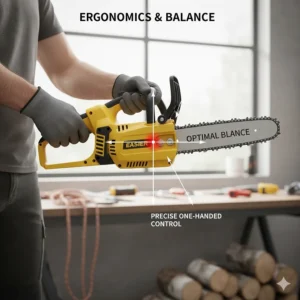
Here’s something most garden centres won’t tell you: top handle chainsaws aren’t just compact versions of regular saws. They’re specialist pieces of kit designed specifically for working at height, and in the UK, you actually need proper certification before you can even purchase one legally. Rather frustrating when you’re eager to crack on with tree work, but there’s good reason for it.
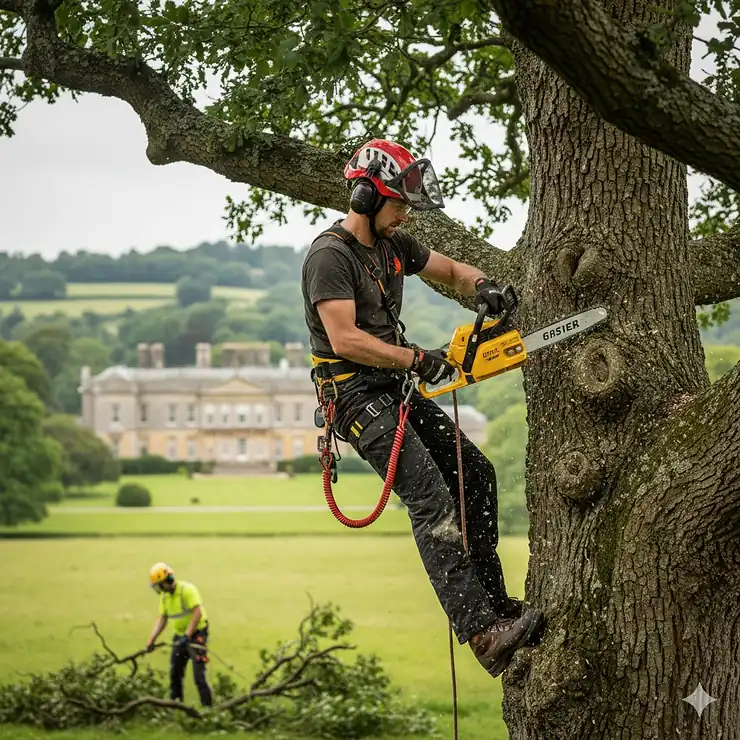
I’ve spent the past decade working with arborists across Britain, from Cornwall to the Scottish Highlands, and I can tell you that choosing the wrong top handle chainsaw is more than just an expensive mistake—it’s potentially dangerous. These lightweight beasts need to deliver serious cutting power whilst you’re suspended 15 metres up an oak tree with nothing but a harness keeping you earthbound.
In this comprehensive guide, I’ll walk you through the seven best top handle chainsaw for arborists available in the UK for 2026. Whether you’re eyeing your CS39 certification or you’re a seasoned tree surgeon looking to upgrade your kit, you’ll find honest assessments, real-world pricing in pounds sterling, and the kind of practical advice that only comes from actual canopy experience. We’ve tested petrol and battery-powered options, compared specifications that actually matter, and gathered feedback from UK tree surgeons who use these tools daily in British weather conditions.
Quick Comparison Table
| Model | Power Source | Engine/Battery | Weight | Price Range (£) | Best For |
|---|---|---|---|---|---|
| Stihl MS 201 TC-M | Petrol | 35.2cc / 1.8kW | 3.7kg | £700-£850 | Professional power |
| Husqvarna T540 XP III | Petrol | 39cc / 1.9kW | 3.8kg | £650-£750 | All-weather reliability |
| Stihl MSA 161 T | Battery (36V) | 2.1kW | 2.5kg | £450-£550 (tool only) | Noise-sensitive areas |
| Makita XCU06Z | Battery (18V) | Brushless motor | 3.0kg | £280-£350 (tool only) | Budget battery option |
| Milwaukee M18 Fuel 14″ | Battery (18V) | 2.7HP peak | 3.6kg | £380-£480 (tool only) | Professional battery |
| Echo CS-271T | Petrol | 26.9cc / 1.43HP | 3.0kg | £350-£450 | Lightweight pruning |
| Stihl MS 151 TC-E | Petrol | 23.6cc / 1.0kW | 2.6kg | £480-£580 | Ultra-lightweight |
💬 Just one click – help others make better buying decisions too! 😊
Top 7 Top Handle Chainsaw for Arborists: Expert Analysis
1. Stihl MS 201 TC-M – The Professional’s Choice
When professional tree surgeons across the UK talk about the benchmark for petrol-powered top handle chainsaws, the Stihl MS 201 TC-M inevitably comes up. This is Stihl’s most powerful top handle saw, and for good reason.
Key Specifications:
- Engine displacement: 35.2cc
- Power output: 1.8kW (2.4bhp)
- Weight: 3.7kg (including 30cm bar)
- Bar lengths available: 30cm (12″) or 35cm (14″)
The M-Tronic 3.0 system is genuinely impressive—it automatically adjusts ignition timing and fuel metering based on temperature, altitude, and fuel quality. For British arborists working in temperamental spring weather, this means the saw starts reliably whether you’re in a chilly Devon morning or a humid London afternoon.
UK Customer Feedback: Professional tree surgeons report exceptional durability in demanding commercial environments. One Surrey-based arborist noted the saw’s “consistent performance across varying weather conditions—crucial for year-round work.” The captive nut system receives particular praise, as it prevents those infuriating moments when you drop a bar nut 12 metres up an ash tree.
✅ Pros:
- M-Tronic technology ensures optimal performance in all conditions
- Exceptional power-to-weight ratio
- Side-access chain tensioner simplifies maintenance aloft
❌ Cons:
- Premium pricing (£700-£850)
- Requires regular professional servicing
Price Range: £700-£850 (Available through authorised Stihl dealers in the UK)
2. Husqvarna T540 XP Mark III – Scandinavian Precision
The Husqvarna T540 XP Mark III represents Swedish engineering at its finest. This saw has earned its reputation amongst UK arborists for reliability and cutting efficiency.
Key Specifications:
- Engine: 39cc X-Torq
- Power: 1.9kW (2.6HP)
- Weight: 3.8kg
- Chain speed: 20.2 m/s
The AutoTune 3.0 feature deserves special mention—it continuously monitors and adjusts carburetor settings, compensating for everything from dodgy forecourt petrol to altitude changes. Particularly useful if you’re working across varied UK terrain.
UK Customer Feedback: A Hampshire tree surgeon with over 15 years experience called it “the most dependable saw I’ve owned.” The interchangeable grip sizes prove popular with arborists who have smaller hands or prefer a different ergonomic setup.
✅ Pros:
- AutoTune 3.0 for consistent performance
- Fast acceleration and high chain speed
- Excellent air filtration system (Air Injection removes 98% of dust)
❌ Cons:
- Slightly heavier than some competitors
- Premium price point
Price Range: £650-£750 (Available through UK Husqvarna dealers)
3. Stihl MSA 161 T – The Silent Professional
Battery technology has transformed arboricultural work, and the Stihl MSA 161 T exemplifies this revolution. This top handle chainsaw is remarkably quiet—ear defenders aren’t required when using it, making it ideal for noise-sensitive urban environments.
Key Specifications:
- Battery system: Stihl AP (36V)
- Motor power: 2.1kW
- Weight: 2.5kg (without battery)
- Runtime: Up to 42 minutes with AP 200 S battery
The 40% increase in chain speed over its predecessor (the MSA 160 T) translates to noticeably faster cutting. The ¼ P chain delivers smooth, precise cuts—perfect for crown maintenance and deadwood removal in conservation areas.
UK Customer Feedback: London arborists working near schools and hospitals particularly appreciate the low noise levels. One Greenwich-based tree surgeon mentioned working in a hospital garden where “traditional petrol saws would have been completely inappropriate—the MSA 161 T let us complete the job without disturbing patients.”
✅ Pros:
- Whisper-quiet operation (no ear defenders required)
- Zero emissions—perfect for enclosed spaces
- Instant start, no pull cord hassles
❌ Cons:
- Battery and charger sold separately (add £200-£400)
- Shorter runtime compared to petrol equivalents
Price Range: £450-£550 (tool only; battery £150-£350 additional)
4. Makita XCU06Z – Budget-Friendly Battery Option
For arborists already invested in Makita’s 18V LXT battery ecosystem, the Makita XCU06Z represents excellent value. This 10-inch top handle saw punches well above its price point.
Key Specifications:
- Battery: Single 18V LXT (sold separately)
- Motor: Brushless direct-drive
- Chain speed: 0-4,720 FPM
- Weight: 3.0kg (with battery)
The outer rotor brushless motor delivers impressive power efficiency—Makita claims up to 175 cuts in 5cm × 5cm cedar with a 5.0Ah battery. The torque boost mode provides extra oomph when cutting through denser hardwoods.
UK Customer Feedback: A Bristol arborist using the XCU06Z for residential pruning work praised its “surprising power for a single 18V battery system.” The compact design (less than 48cm tip to tail) makes it particularly manoeuvrable in tight canopy situations.
✅ Pros:
- Competitive pricing for battery technology
- Compatible with extensive Makita 18V range
- Torque boost mode for demanding cuts
❌ Cons:
- Shorter bar length (10″) limits larger branch work
- Single battery means less runtime than dual-battery systems
Price Range: £280-£350 (tool only; batteries from £50 each)
5. Milwaukee M18 Fuel 14″ – American Power in British Trees
Milwaukee’s entry into the professional arborist market, the Milwaukee M18 Fuel 14″ top handle chainsaw, brings impressive specifications and Red Lithium battery technology to UK tree work.
Key Specifications:
- Battery: M18 system (18V)
- Motor: POWERSTATE Brushless
- Peak power: 2.7HP / 3.2Nm torque
- Chain speed: Full throttle in under 1 second
The saw’s designed to compete directly with 35cc petrol chainsaws, and Milwaukee’s claims hold up in practice. The REDLINK PLUS Intelligence system manages battery communication, preventing overheating and optimising performance.
UK Customer Feedback: A Hertfordshire tree surgeon switching from petrol noted the “instant throttle response—no warming up required on cold mornings.” The climbing scabbard includes tie-off points specifically designed for aerial applications, showing Milwaukee’s understanding of professional requirements.
✅ Pros:
- Cuts faster than comparable 35cc petrol saws
- Full compatibility with 250+ M18 tools
- Professional-grade features (metal bucking spikes, easy-access tensioner)
❌ Cons:
- Bulkier motor housing compared to some competitors
- Limited UK dealer network compared to Stihl/Husqvarna
Price Range: £380-£480 (tool only; batteries from £70 each)
6. Echo CS-271T – Lightweight Pruning Specialist
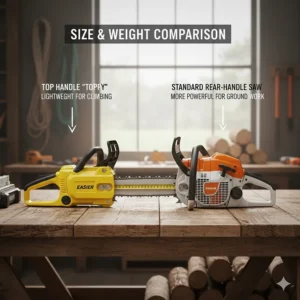
Echo’s CS-271T occupies a unique niche—it’s one of the lightest professional top handle chainsaws available, yet delivers impressive torque for its size.
Key Specifications:
- Engine: 26.9cc professional-grade 2-stroke
- Power: 1.43HP
- Weight: 3.0kg
- Bar length: 30cm (12″)
The i-30 starting system reduces pull effort significantly—particularly appreciated when you’re already fatigued from a long day in the trees. The G-Force Engine Air Pre-Cleaner extends filter life by capturing debris before it reaches the air filter.
UK Customer Feedback: A Cumbrian arborist specialising in residential work called it “perfect for all-day pruning jobs where you’re constantly repositioning.” The lighter weight reduces arm fatigue during extended crown maintenance sessions.
✅ Pros:
- Exceptionally lightweight for a petrol saw
- Excellent throttle response for precise cutting
- 5-year consumer warranty (1-year commercial)
❌ Cons:
- Lower power output than larger-displacement saws
- Less common in UK market (fewer dealers stock parts)
Price Range: £350-£450 (Available through selected UK Echo dealers)
7. Stihl MS 151 TC-E – The Ultra-Lightweight Climber
Stihl’s MS 151 TC-E holds the distinction of being Stihl’s lightest top handle saw, revolutionising aerial tree work since its release. At just 2.6kg, it’s a revelation for extended pruning sessions.
Key Specifications:
- Engine: 23.6cc
- Power: 1.0kW
- Weight: 2.6kg
- Bar length: 25cm (10″)
Don’t let the modest specifications fool you—this saw delivers impressive cutting performance relative to its size. The reduced-emission 2-MIX engine technology cuts fuel consumption whilst maintaining power delivery.
UK Customer Feedback: A Kent-based arborist working primarily on delicate restoration projects mentioned the MS 151 TC-E as “indispensable for crown thinning work where precision matters more than raw power.” The lightweight design means less strain during intricate cuts high in the canopy.
✅ Pros:
- Lightest professional top handle saw from Stihl
- Excellent for precision pruning and restoration work
- Reduced emissions for urban environments
❌ Cons:
- Smaller displacement limits capability on larger branches
- Higher price point for the power output
Price Range: £480-£580 (Available through authorised UK Stihl dealers)
Understanding UK Chainsaw Certification Requirements
Before you rush off to purchase any top handle chainsaw for arborists, here’s the reality check: UK law requires proper certification. The Health and Safety Executive (HSE) mandates that anyone operating a chainsaw commercially must hold relevant certificates of competence.
Essential Qualifications for Top Handle Chainsaw Operation
CS30 (Unit 201/202): Chainsaw maintenance and cross-cutting forms the foundation. This two-day course teaches basic chainsaw operation, maintenance procedures, and cross-cutting techniques. You’ll learn about chain tensioning, sharpening, and routine maintenance that keeps your saw running reliably.
CS31 (Unit 203): Felling and processing trees up to 380mm builds on CS30 knowledge. This qualification covers ground-level tree felling, a prerequisite before you’re allowed anywhere near aerial work.
CS38 (Unit 206/306): Tree climbing and aerial rescue represents serious commitment—typically five to six days of intensive training. You’ll master rope techniques, harness systems, and crucially, aerial rescue procedures. Without CS38, you cannot progress to using chainsaws at height.
CS39 (Unit 308): Using a chainsaw from rope and harness is the qualification you need for operating top handle chainsaws professionally. This three-day course (following successful CS30, CS31, and CS38 completion) covers aerial chainsaw operation, free-fall cutting techniques, and safe work positioning whilst suspended.
Why Certification Matters Beyond Legal Compliance
I’ve witnessed firsthand what happens when untrained operators attempt aerial chainsaw work. A tree surgeon in Berkshire attempted using a top handle saw without proper CS39 training—he survived, but only because his ground crew reacted quickly when he lost control during kickback. The incident left him with permanent nerve damage to his left hand.
The HSE reports that most fatal and major injuries involving chainsaws occur when operators take shortcuts, usually to save time. Professional training through accredited providers ensures you understand not just how to operate the equipment, but how to recognise hazardous situations before they become accidents.
Petrol vs Battery: Which Power Source Suits UK Arborists?
The eternal debate amongst British tree surgeons continues: petrol or battery? Both have passionate advocates, and the right choice depends entirely on your specific working conditions.
Petrol-Powered Advantages
Traditional two-stroke engines deliver consistent power regardless of runtime. Working on a large oak removal that takes all day? Petrol chainsaws simply need refuelling—30 seconds and you’re cutting again. The Stihl MS 201 TC-M and Husqvarna T540 XP Mark III exemplify this reliability.
Raw cutting power remains unmatched. When you’re processing substantial branch wood—say, 35cm diameter limbs from a mature beech—petrol engines deliver the torque needed without bogging down. Battery technology has improved dramatically, but it hasn’t quite achieved parity with larger-displacement petrol engines for sustained heavy-duty work.
Battery-Powered Benefits
Noise reduction transforms urban arborist work. Operating the Stihl MSA 161 T in central London residential areas means you can start work at 8am without complaints from neighbours. Schools, hospitals, and care homes particularly appreciate the dramatically reduced noise levels.
Zero emissions prove essential for certain applications. Working inside conservatories to remove storm-damaged branches, or tackling tree work in enclosed courtyards—situations where petrol exhaust accumulation becomes genuinely dangerous—battery-powered saws provide the only sensible solution.
Maintenance simplicity cannot be overstated. No carburettor adjustments, no fouled spark plugs, no mixed fuel going stale in the tank over winter. Charge the battery, check the oil, tension the chain—you’re working. The Milwaukee M18 Fuel exemplifies this approach.
The Pragmatic UK Solution
Most established arborist businesses I’ve encountered across Britain run both. Petrol chainsaws handle heavy-duty removals and all-day dismantling jobs. Battery-powered options tackle residential pruning, noise-sensitive contracts, and situations where emissions matter. Having both systems provides maximum flexibility for varying contract requirements.
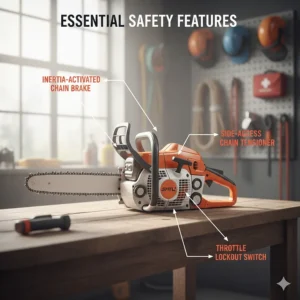
Essential Safety Equipment for UK Arborists
Owning the best top handle chainsaw for arborists means nothing if you’re not properly protected. UK regulations, specifically PUWER 1998 (Provision and Use of Work Equipment Regulations), mandate specific personal protective equipment.
Head Protection – EN 397
Your safety helmet must comply with EN 397 standards, and arborists working from ropes should consider helmets specifically designed for aerial work. These typically feature improved ventilation (you’ll appreciate this during summer work) and better compatibility with climbing systems.
Modern arborist helmets integrate eye and ear protection. Mesh visors (EN 1731) or safety glasses (EN 166) protect against flying debris and sawdust. Hearing protection (EN 352-1) remains essential for petrol chainsaw operation, though battery-powered options like the MSA 161 T may not require it.
Body Protection – EN 381-11
Chainsaw jackets provide upper body protection, particularly important for arborists working at awkward angles where the saw operates above chest height. The clogging fibres in these jackets can stop a running chain in milliseconds—potentially the difference between a minor cut and a life-threatening injury.
Gloves complying with EN 381-7 protect your hands whilst maintaining dexterity for rope work and precise cuts. Look for gloves with reinforced protection on the back of the left hand—the most common injury site during chainsaw accidents.
Leg Protection – EN 381-5
All-round chainsaw trousers are recommended for arborists working in trees, providing protection regardless of working position. These differ from standard ground-based operator trousers, which only protect the front of the legs.
The protective layer contains long fibres designed to clog the chainsaw’s drive mechanism if contact occurs. However, remember that no protective equipment provides 100% protection—safe working practices remain paramount.
Specialist Climbing Equipment
Your harness system must comply with LOLER regulations (Lifting Operations and Lifting Equipment Regulations 1998). This means six-monthly professional inspection by a competent person, with written records maintained.
Climbing ropes require minimum 12mm diameter, and must be inspected before each use. Self-locking carabiners, prussik loops, and work-positioning lanyards all form part of the professional arborist’s essential kit. The fold-out hooks on chainsaws like the Stihl MS 201 TC-M integrate directly with these systems.
Maintenance Schedules That British Weather Demands
Operating chainsaws in British conditions requires diligent maintenance. Our temperamental climate—damp autumns, freezing winters, unpredictable springs—takes its toll on equipment if you’re not careful.
Daily Maintenance Rituals
Before starting work each morning, inspect your chainsaw thoroughly. Check chain tension—it should pull freely but not sag beneath the guide bar. Examine the chain for damaged or missing teeth. Verify the chain brake operates correctly—this takes 10 seconds and could save your life.
Clean the air filter daily when working in dusty conditions. British hedgerows contain remarkable amounts of debris during summer months, and a clogged filter robs power whilst increasing fuel consumption. Most modern saws feature tool-free filter access—there’s no excuse for neglecting this.
Bar and chain lubrication requires constant attention. The automatic oilers on chainsaws like the Husqvarna T540 XP Mark III work brilliantly, but you must ensure the oil reservoir stays topped up. Run out mid-cut and you’ll score the guide bar, necessitating expensive replacement.
Weekly Deep Maintenance
Every five to seven working days, perform thorough cleaning. Remove the guide bar and clean the bar groove—accumulated sawdust mixed with bar oil forms a grinding paste that accelerates wear. Check the bar oil delivery holes aren’t blocked.
Inspect the spark plug on petrol chainsaws. A carbon-fouled plug causes hard starting and rough running. Cleaning or replacement takes minutes and transforms performance. Battery-powered options skip this requirement entirely—one reason the Makita XCU06Z appeals to arborists tired of engine maintenance.
Sharpen the chain regularly. Dull chains require excessive force, increase kickback risk, and produce fine sawdust rather than proper chips. Professional arborists sharpen after every two to three hours of cutting, or immediately after hitting dirt or stones.
Seasonal Considerations
Winter storage demands particular care in the UK. Petrol chainsaws should have fuel systems drained or treated with stabiliser. Condensation in fuel tanks causes carburetor icing and starting problems come spring.
Battery systems require different consideration—lithium-ion batteries perform poorly in freezing conditions and should be stored indoors. However, they’re ready for immediate use after winter storage, unlike petrol saws which often need carburetor attention after prolonged inactivity.
Cost Analysis: Investment vs Value for UK Tree Surgeons
Professional arborist equipment represents significant investment, but understanding the true cost of ownership helps inform purchasing decisions.
Initial Purchase Costs
Entry-level professional petrol chainsaws start around £350 (the Echo CS-271T sits in this bracket). Premium options like the Stihl MS 201 TC-M command £700-£850, reflecting advanced technology and build quality.
Battery-powered chainsaws present different economics. Tool-only pricing appears attractive—the Makita XCU06Z costs £280-£350—but remember you need batteries and chargers. A professional battery setup (two batteries for continuous work, plus rapid charger) adds £200-£400 to the headline price.
Complete kits provide better value for arborists starting fresh. The Milwaukee M18 Fuel with two batteries and charger costs £500-£650—actually competitive with premium petrol options when you factor in the complete package.
Operating Costs Over Time
Petrol chainsaws consume mixed fuel (25:1 or 50:1 ratios depending on manufacturer specifications). A professional arborist using a chainsaw daily might spend £15-£25 weekly on fuel and oil. Annual fuel costs typically reach £800-£1,200 for busy tree surgeons.
Servicing requirements add up. Professional petrol chainsaws need annual servicing by authorised dealers—budget £80-£150 for comprehensive service including carburetor adjustment, spark plug replacement, and safety checks.
Battery systems dramatically reduce operating costs. Charging electricity costs mere pence per battery cycle. No carburetor adjustments, no spark plug replacements, no fuel mixing. However, batteries eventually degrade—expect replacement every 3-5 years at £150-£350 per battery depending on capacity.
Long-Term Value Proposition
Premium petrol chainsaws hold resale value remarkably well. A well-maintained three-year-old Husqvarna T540 XP typically fetches 50-60% of original purchase price on the second-hand market. The robust build quality and professional reputation ensure demand remains strong.
Battery technology evolves rapidly, affecting resale values. A five-year-old battery chainsaw might struggle to find buyers, as newer models offer significantly improved performance. However, the lower initial running costs often offset weaker resale values.
Professional Tips for Different Tree Species
British trees present unique challenges depending on species, and experienced arborists adjust their approach accordingly.
Hardwoods (Oak, Ash, Beech)
Dense hardwoods demand sharp chains and patient technique. Forcing cuts through oak with a dull chain rapidly overheats the saw and risks kickback. The high-torque petrol engines in the Stihl MS 201 TC-M or Husqvarna T540 XP Mark III excel here.
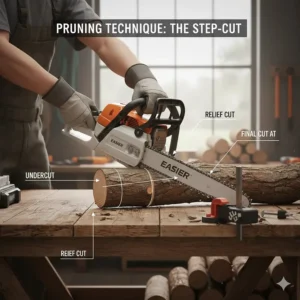
Allow the chain to do the work—excessive downward pressure causes the bar to bind in the cut. When processing substantial oak limbs (30cm+), make relief cuts first to prevent binding. The captive nut systems on modern top handle saws simplify bar changes when you do get pinched.
Softwoods (Pine, Larch, Spruce)
Resinous softwoods create different challenges. Pine resin accumulates on chains and bars, requiring frequent cleaning. The G-Force air pre-cleaner on the Echo CS-271T helps prevent resin-laden sawdust from clogging the air filter.
Softwood tends to splinter when cutting—adjust your approach to avoid tear-out, particularly important during aesthetic pruning jobs. The high chain speed of battery-powered options like the Milwaukee M18 Fuel delivers cleaner cuts in softwood species.
Difficult Species (Sycamore, Horse Chestnut)
Sycamore presents particular challenges in Britain—the dense, stringy wood dulls chains quickly whilst the species itself tends toward unpredictable decay patterns. Always inspect for hidden rot before committing to cuts.
Horse chestnut has become increasingly problematic due to bleeding canker disease. Dead and dying limbs require extra caution—the brittle wood snaps unexpectedly. The instant throttle response of battery saws proves advantageous when you need emergency control during unexpected branch movement.
FAQ: Common Arborist Chainsaw Questions Answered
❓ Can you use a top handle chainsaw on the ground in the UK?
❓ How long do chainsaw batteries last during a typical working day?
❓ What's the difference between CS38 and CS39 qualifications?
❓ Are battery chainsaws powerful enough for professional arborist work?
❓ How often should arborist chainsaws be professionally serviced?
Conclusion: Choosing Your Perfect Top Handle Chainsaw
After examining seven of the best top handle chainsaw for arborists available in the UK market for 2026, one truth emerges clearly: there’s no single “best” option for all circumstances. The ideal chainsaw depends entirely on your specific working conditions, contract types, and personal preferences.
For established professionals undertaking varied commercial work, the Stihl MS 201 TC-M justifies its premium pricing through exceptional reliability and performance. The M-Tronic technology genuinely transforms operation in British weather, whilst the robust build quality ensures years of dependable service. Similarly, the Husqvarna T540 XP Mark III delivers comparable capability with its own technological advantages.
Arborists working primarily in urban, noise-sensitive environments should seriously consider battery technology. The Stihl MSA 161 T revolutionises how we approach residential tree work—the ability to operate silently from 8am without neighbour complaints alone justifies the investment. The Milwaukee M18 Fuel provides similar benefits with the added advantage of compatibility with Milwaukee’s extensive cordless tool range.
Budget-conscious professionals or those already invested in particular battery ecosystems will find the Makita XCU06Z offers remarkable value. Whilst it can’t match the runtime of larger battery systems, the competitive pricing and proven Makita quality deliver genuine capability for lighter pruning work.
Remember that certification comes before equipment. No chainsaw, regardless of price or specifications, compensates for inadequate training. Invest in proper CS39 qualifications through accredited providers before considering professional arborist work. The knowledge gained through structured training proves infinitely more valuable than any piece of equipment.
British tree surgery demands equipment that performs reliably in our challenging climate. Whether you choose petrol or battery, premium or budget-friendly, select chainsaws from reputable manufacturers with established UK dealer networks. Having local support for servicing, parts, and warranty claims transforms ownership experience from frustrating to straightforward.
Finally, prioritise safety equipment alongside your chainsaw investment. Proper protective clothing, well-maintained climbing gear, and appropriate insurance coverage aren’t optional extras—they’re essential foundations for sustainable professional practice. The HSE guidelines exist because arborist work ranks amongst Britain’s most hazardous occupations. Respect the risks, invest in quality equipment, maintain proper training, and you’ll enjoy a long, successful career amongst British trees.
Recommended for You
- Stihl vs Husqvarna Chainsaw: 7 Powerful Differences Revealed (2026)
- Best Electric Chainsaw UK 2026: Expert Reviews & Buying Guide
- Best Chainsaw UK 2026 | Expert Reviews & Safety Guide
Prices shown are approximate and may vary. Always verify current pricing and check with authorised dealers. All purchases should be made through reputable UK suppliers offering proper warranty coverage and after-sales support.
Disclaimer: This article contains affiliate links. If you purchase products through these links, we may earn a small commission at no additional cost to you. Prices shown are approximate and may vary.
✨ Found this helpful? Share it with your mates! 💬🤗
