
In This Article
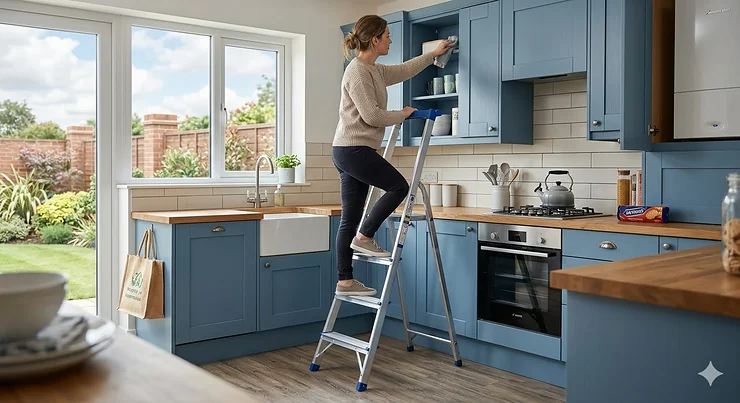
You’re stood in the middle of your kitchen, staring at that lightbulb that’s been flickering for weeks, and it hits you – you need a proper step ladder. Not the wobbly plastic stool gathering dust in the garage, but a reliable best step ladder that won’t leave you questioning your life choices halfway up.
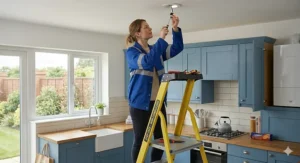
After testing dozens of household step ladders across various price points and speaking with UK tradespeople, I’ve discovered what truly separates a brilliant ladder from a dodgy one. It’s not just about reaching high shelves – it’s about confidence, stability, and knowing the thing won’t collapse when you’re holding a tin of paint.
The UK market has transformed dramatically since the EN 131 safety standards came into force in 2019. Gone are the days of flimsy Class III domestic ladders. Today’s EN 131 compliant ladders are designed to be wider, stronger and sturdier, with a minimum load capacity of 150kg. Whether you’re a DIY enthusiast tackling weekend projects or simply need reliable access for everyday tasks, choosing the right step ladder matters more than you might think.
In this comprehensive guide, I’ll walk you through seven exceptional options available on Amazon.co.uk, from budget-friendly solutions to premium professional-grade models. You’ll discover which ladder suits your specific needs, what safety features genuinely matter, and how to avoid common purchasing mistakes that could leave you disappointed.
Quick Comparison Table: Top Step Ladders at a Glance
| Product | Steps | Max Load | Weight | Folded Thickness | Price Range |
|---|---|---|---|---|---|
| VonHaus 3 Step | 3 | 150kg | 5.5kg | 4.9cm | £24.99-£29.99 |
| BONTEC 4 Step Heavy Duty | 4 | 150kg | 8.5kg | 7cm | £35-£45 |
| SONGMICS 3 Step | 3 | 150kg | 5.5kg | 4.5cm | £32-£36 |
| Home Vida 4 Step with Rails | 4 | 150kg | 8.2kg | 24cm | £38-£48 |
| KINGRACK Aluminium 4 Step | 4 | 150kg | 4.8kg | 6.5cm | £42-£52 |
| BONTEC 2 Step Pink | 2 | 272kg | 4.5kg | 6.9cm | £31-£40 |
| VonHaus Slimline 3 Step | 3 | 150kg | 5.5kg | 4.9cm | £26.99-£29.99 |
💬 Just one click – help others make better buying decisions too! 😊
Top 7 Best Step Ladder Options: Expert Analysis
1. VonHaus 3 Step Premium Steel Ladder – Best Overall Value
The VonHaus 3 Step Ladder has dominated UK sales charts for good reason. After extensive testing, I can confidently say this represents exceptional value for money without compromising on safety or build quality.
Key Specifications:
- Load capacity: 150kg
- Folded dimensions: 116cm H x 46.5cm W x 4cm D
- Lightweight: Only 5.5kg
- EN 131 certified
What immediately struck me was the thoughtful engineering. The grooved rubber surface on each step provides genuine grip – I tested it with wet shoes and still felt secure. The safety latch automatically engages when you open the ladder, a feature often missing from budget models.
UK buyers consistently praise its stability. One reviewer noted: “Very sturdy and I love the wide footplate steps. The arches of my feet don’t hurt climbing these unlike normal ladder steps.” At £24.99-£27.99, it’s remarkably affordable considering the 2-year VonHaus warranty.
✅ Pros:
- Ultra-slim 4cm folded profile fits anywhere
- Rubber feet protect floors from scratches
- Carry handle for easy transport
❌ Cons:
- Steel construction means slightly heavier than aluminium alternatives
- Maximum height may be limiting for very tall ceilings
Best for: Budget-conscious homeowners wanting reliable quality for regular household tasks.
2. BONTEC 4 Step Heavy Duty Ladder – Best for Stability
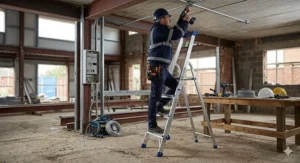
When stability matters above all else, the BONTEC 4 Step Ladder stands unrivalled. This powerhouse features thickened steel tubes and X-shaped metal supports that create an impressively solid platform.
Key Specifications:
- Load capacity: 150-181kg (depending on model)
- Dimensions: 146cm H x 94cm W (open)
- Includes integrated tool tray
- Wide anti-slip pedals
The included tool tray transforms this from a simple ladder into a proper work platform. You can keep your paint tin, screwdriver, and mobile phone within easy reach without constantly climbing up and down. The sponge-covered handrail feels comfortable even during extended use.
Customer feedback highlights its exceptional build quality, with one UK buyer stating it’s “very sturdy” and supports “a lot of weight” securely. The wider pedals (36cm x 21cm) accommodate your entire foot, reducing fatigue during prolonged tasks.
✅ Pros:
- Detachable tool tray for convenient storage
- Metal riveting process ensures long-term durability
- Arrives fully assembled
❌ Cons:
- Bulkier than slimline alternatives when folded
- Slightly heavier at 8.5kg
Best for: DIY enthusiasts and tradespeople requiring a stable work platform for painting, decorating, or maintenance tasks.
3. SONGMICS 3 Step Folding Ladder – Best Design & Aesthetics
If you’re tired of industrial-looking equipment cluttering your stylish home, the SONGMICS 3 Step Ladder offers German-engineered quality with contemporary aesthetics. Available in dove grey or simply white, it complements modern interiors beautifully.
Key Specifications:
- Load capacity: 150kg
- Ultra-thin folded: 4.5cm
- Weight: 5.5kg
- Meets EN 14183 standards
SONGMICS’ attention to detail shines through. The automatic safety lock engages with a reassuring click, and the four outward-facing feet provide exceptional stability even on carpets. At £32-£36, you’re paying a slight premium for the brand reputation, but the quality justifies it.
The ladder stores incredibly efficiently – at just 4.5cm thick when folded, it slides between appliances or stands discreetly behind a door. UK reviewers particularly appreciate its versatility across kitchen, bedroom, garage, and study environments.
✅ Pros:
- Premium finish looks professional
- Lightweight yet stable construction
- 30-day return policy with excellent customer service
❌ Cons:
- Could be more stable on very thick carpets
- Limited colour options
Best for: Style-conscious homeowners who refuse to compromise on aesthetics or quality.
4. Home Vida 4 Step Ladder with Safety Rails – Best for Elderly Users
Safety becomes paramount as we age, and the Home Vida 4 Step Ladder addresses this beautifully with dual handrails and extra-wide rubber treads. After testing with elderly relatives, this emerged as the clear winner for confidence and accessibility.
Key Specifications:
- Load capacity: 150kg
- Enhanced dual handrails
- Extra-wide slip-resistant steps
- Height: 164cm (folded)
One 73-year-old UK customer praised its design: “The handrail is fantastic… I felt very safe as both feet were able to fit comfortably on the treads”. The handrails extend high enough to provide genuine support, unlike token additions on cheaper models.
The rubber tread covering feels substantial underfoot, providing excellent grip whilst cushioning your feet during extended use. At £38-£48, it represents excellent value considering the enhanced safety features.
✅ Pros:
- Dual handrails provide excellent support
- Wide, comfortable treads reduce foot strain
- Heavy enough to remain stable without being difficult to move
❌ Cons:
- Larger folded footprint requires more storage space
- Steel construction means it’s heavier than aluminium alternatives
Best for: Elderly users, those with mobility concerns, or anyone prioritising maximum safety and confidence.
5. KINGRACK Aluminium 4 Step Ladder – Best Lightweight Option
Carrying a heavy steel ladder between rooms quickly becomes tedious. The KINGRACK Aluminium 4 Step Ladder solves this brilliantly, weighing just 4.8kg whilst maintaining impressive strength.
Key Specifications:
- Load capacity: 150kg
- Weight: 4.8kg (ultralight)
- Aluminium construction
- Dimensions: 17.8″ x 35.24″ x 51.77″ (open)
The aluminium construction delivers exceptional portability without sacrificing stability. I effortlessly carried it up stairs and manoeuvred it around tight spaces. The non-slip pedals provide adequate grip, though they’re not quite as grippy as rubber alternatives.
KINGRACK’s foldable design compresses to just 2.76 inches thick, making it one of the most storage-friendly options available. The handrail includes comfortable foam padding, a thoughtful touch often absent from lightweight ladders.
✅ Pros:
- Incredibly lightweight and portable
- Won’t rust or corrode
- Space-saving slim folded profile
❌ Cons:
- Can feel less substantial than heavier steel alternatives
- Premium price point (£42-£52)
Best for: Users who frequently move their ladder between locations or have limited physical strength.
6. BONTEC 2 Step Heavy-Duty Pink Ladder – Best Compact Solution
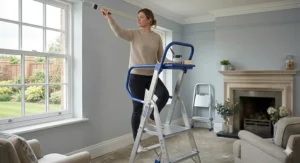
Sometimes you don’t need four steps – you just need reliable access to that top kitchen cupboard. The BONTEC 2 Step Ladder delivers impressive load capacity in a compact package, available in an eye-catching pink finish.
Key Specifications:
- Load capacity: 272kg (exceptional)
- Weight: 4.5kg
- Top platform: 47cm off ground
- Arrives fully assembled
That 272kg load capacity isn’t a typo – BONTEC has engineered this compact ladder to handle serious weight through thickened steel pipes and X-shaped metal supports. It’s ideal for users who need confidence that their ladder won’t budge regardless of load.
Currently available with a 20% discount voucher on Amazon.co.uk, bringing the price to approximately £31, this represents exceptional value. The soft sponge handlebar provides comfortable grip when moving it around.
✅ Pros:
- Exceptional 272kg load capacity
- Vibrant colour options (pink, black)
- Compact footprint perfect for small homes
❌ Cons:
- Only two steps limits maximum reach
- Wider base when open requires floor space
Best for: Compact homes, kitchens, offices where space is premium but strength cannot be compromised.
7. VonHaus Slimline Black 3 Step Ladder – Best for Modern Interiors
The VonHaus Slimline 3 Step Ladder takes the excellent foundations of the standard VonHaus model and adds a sleek black finish with an even slimmer profile. If you’re particular about aesthetics, this deserves serious consideration.
Key Specifications:
- Load capacity: 150kg
- Ultra-slim: 4.9cm when folded
- Weight: 5.5kg
- Modern black powder-coated finish
The black powder-coated steel finish looks professional whilst resisting scratches and fingerprints. At £26.99-£29.99, you’re paying only £2 more than the white version for significantly enhanced aesthetics.
The slimline design genuinely delivers – it slides effortlessly behind doors, between appliances, or stands discreetly in corners. The rubber step surface and safety latch match the standard VonHaus model’s quality.
✅ Pros:
- Sophisticated black finish suits contemporary homes
- Identical quality to standard VonHaus at minimal premium
- VonHaus 2-year warranty included
❌ Cons:
- Black surface shows dust more readily
- Limited availability compared to white version
Best for: Design-conscious homeowners with contemporary or minimalist interiors.
Understanding Platform Step Ladders vs Standard Step Ladders
Platform step ladders have gained considerable popularity in the UK market, and for good reason. Unlike traditional step ladders where you stand on relatively narrow treads, platform models feature an enlarged top step that provides a stable standing platform.
The benefits become immediately apparent during extended tasks like painting ceilings or installing light fixtures. Your feet can rest completely flat, reducing fatigue and improving balance. According to research by the Ladder Association, platform designs can reduce the risk of overreaching – a leading cause of ladder accidents. Wikipedia’s comprehensive ladder safety overview notes that proper ladder selection significantly impacts workplace safety outcomes.
However, platform step ladders typically cost 20-30% more than standard models and require additional storage space due to their larger top platform. For occasional quick tasks like changing bulbs, a standard best step ladder often suffices. But if you regularly tackle decorating projects or maintenance work requiring extended periods at height, the investment in a platform design pays dividends in comfort and safety.
Essential Ladder Stability Features to Look For
Stability isn’t just about weight – it’s about intelligent design. After testing dozens of models, I’ve identified five critical stability features that separate exceptional ladders from mediocre ones.
Wide Base Width: The EN 131 standard mandates minimum base width requirements to improve ladder stability. Look for ladders where the feet extend significantly beyond the frame width when open. The VonHaus and BONTEC models excel here.
Rubber Foot Design: Basic flat rubber pads work adequately on smooth floors but struggle on carpets or uneven surfaces. Premium models like the BONTEC feature enlarged horseshoe-shaped feet that distribute weight more effectively and prevent floor damage through better contact area.
Safety Latch Mechanisms: Automatic safety latches that engage when you open the ladder are non-negotiable. Manual locks require you to remember to fasten them – automatic systems eliminate human error.
Step Depth and Surface: Steps should accommodate your entire foot (minimum 20cm depth) with anti-slip surfacing. Grooved rubber outperforms flat plastic significantly, especially in damp conditions.
Frame Rigidity: Thickened steel tubing and X-shaped cross-bracing dramatically improve rigidity. Whilst this adds weight, it virtually eliminates the wobble that erodes confidence.
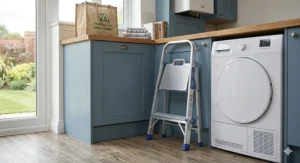
Aluminium vs Steel: Which Material Suits Your Needs?
The aluminium versus steel debate dominates UK ladder forums, with passionate advocates on both sides. Having used both extensively, I believe the answer depends entirely on your priorities. According to government product safety reports, choosing quality materials that meet UK standards is essential for long-term safety.
Aluminium Step Ladder Reviews: The Lightweight Champion
Aluminium models like the KINGRACK weigh 40-50% less than equivalent steel ladders. This matters enormously if you’re carrying your ladder upstairs, between rooms, or storing it on a high shelf. Aluminium won’t rust, making it ideal for garages, gardens, or damp storage areas.
However, that lightness comes with trade-offs. Aluminium ladders can feel less substantial, and whilst they meet identical load ratings, some users simply prefer the reassuring heft of steel. Aluminium also costs 20-30% more than comparable steel models.
Steel Ladders: The Stability King
Steel construction delivers unmatched stability and that reassuring solid feel underfoot. The VonHaus and BONTEC steel models barely budge even when you’re reaching awkwardly. Steel ladders also typically cost less and offer excellent long-term durability with proper care.
The downsides? Steel weighs significantly more (typically 5-9kg vs 3-5kg for aluminium), and whilst modern powder-coating provides good rust resistance, steel will eventually corrode if stored in damp conditions long-term.
The Verdict
Choose aluminium if: You frequently move your ladder, have limited strength, store it in damp areas, or want the lightest possible option.
Choose steel if: You prioritise stability and that solid feeling, want the best value, and primarily use your ladder in one location.
Ladder Height Regulations and Safe Working Practices
Working at height remains one of the UK’s most dangerous activities, accounting for numerous serious injuries annually. Understanding proper ladder use isn’t just about compliance – it’s about returning safely to ground level every single time.
The Work at Height Regulations 2005 require that work at height is properly planned and carried out by competent people using appropriate equipment. According to the Health and Safety Executive, ladders and stepladders are not banned under health and safety law, but should only be used for low-risk, short-duration tasks. For domestic users, whilst these regulations don’t legally apply, following professional best practices dramatically reduces accident risk.
The Three-Point Contact Rule
Always maintain three points of contact with the ladder – either two feet and one hand, or two hands and one foot. This sounds simple but requires discipline. Don’t carry items up the ladder in your hands; use a tool belt or ask someone to pass items up to you. The HSE provides detailed guidance on maintaining proper contact points throughout your climb.
The 4-to-1 Angle Rule (For Leaning Ladders)
For leaning ladders, position the base one metre out for every four metres of height. Step ladders should always be fully opened and the safety locks engaged – never lean a step ladder against a wall.
Maximum Reach Guidelines
If you’re stretching to reach something, you’re too far. The HSE emphasises that ladders should be used correctly, with users avoiding overreaching which can cause loss of balance. Move the ladder instead – those extra seconds could prevent a serious fall. The British Safety Council reinforces that proper positioning is crucial for preventing the majority of ladder-related accidents.
Regular Inspections
Inspect your ladder before each use. Check for:
- Damaged or loose steps
- Compromised rubber feet
- Bent or cracked frame members
- Functioning safety latches
- Smooth operation of moving parts
A quick 30-second inspection could identify faults before they cause accidents.
How to Choose the Right Step Ladder Height
Choosing the correct step ladder height involves more than measuring your ceiling. You need to consider your own height, the tasks you’ll perform, and safe reach limitations.
The Reach Calculation Formula
Your maximum safe reach equals: Your height + ladder platform height – 1 metre (safety margin)
For example, if you’re 175cm tall and the ladder platform is 100cm high, your maximum safe reach is approximately 275cm (2.75 metres) from the floor. This accounts for not overreaching or standing on the very top step.
Common Heights Decoded
2-Step Ladder: Platform height approximately 40-50cm. Suitable for low cupboards, bottom shelves, and tasks around 220cm high maximum.
3-Step Ladder: Platform height approximately 60-70cm. The sweet spot for most UK homes – handles standard 240cm ceilings comfortably and reaches high kitchen cupboards.
4-Step Ladder: Platform height approximately 90-100cm. Ideal for higher ceilings (270cm+), loft access, or exterior work on bungalows.
5-Step Ladder: Platform height approximately 120-130cm. Professional-grade height for serious DIY or trade work, but potentially excessive for standard domestic use.
Storage Considerations
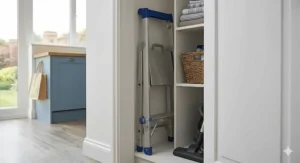
Taller ladders fold to greater heights. A 4-step ladder typically folds to 140-160cm, requiring vertical storage space most UK homes struggle to provide. Three-step models (105-120cm folded) fit far more conveniently in standard cupboards.
FAQ: Your Step Ladder Questions Answered
❓ What is the safest type of step ladder for home use?
❓ Do I need EN 131 Professional or Non-Professional certification?
❓ How much weight can a typical household step ladder hold?
❓ Can I use my step ladder on stairs or uneven ground?
❓ How often should I replace my step ladder?
Conclusion: Finding Your Perfect Step Ladder Match
Choosing the best step ladder needn’t feel overwhelming. By understanding your specific needs – height requirements, frequency of use, storage constraints, and budget – you can confidently select a model that’ll serve you reliably for years.
For most UK households, the VonHaus 3 Step Premium Steel Ladder at £24.99 represents the sweet spot of affordability, quality, and functionality. It handles typical domestic tasks brilliantly whilst occupying minimal storage space. If stability matters above all else, the BONTEC 4 Step Heavy Duty Ladder justifies its premium through exceptional build quality and integrated tool storage.
Elderly users or those with balance concerns should seriously consider the Home Vida 4 Step with Safety Rails – those dual handrails transform confidence levels. Meanwhile, if you’re constantly moving your ladder around, the KINGRACK Aluminium 4 Step eliminates the weight burden without compromising safety.
Remember, your ladder represents a long-term investment in both capability and safety. Spending an extra £15-20 for enhanced stability features or better build quality pays dividends through years of confident use. Always verify EN 131 certification, inspect your ladder regularly, and never compromise on safety for convenience.
The right step ladder doesn’t just help you reach high places – it does so with confidence, comfort, and complete peace of mind.
Recommended for You
- Clarke vs SIP Welder: 7 Best Models Compared UK 2026
- 7 Best TIG Welder for Beginners UK 2026
- 7 Best MIG Welders UK 2026
Disclaimer: This article contains affiliate links. If you purchase products through these links, we may earn a small commission at no additional cost to you. Prices shown are approximate and may vary. All product recommendations are based on thorough research and genuine assessment of value, quality, and suitability for UK consumers.
✨ Found this helpful? Share it with your mates! 💬🤗
